

MORE THAN
LIFE EXTENSION
MORE THAN
LIFE EXTENSION
Longevity science seeks to extend both lifespan—the total number of years a person lives—and healthspan—the years lived in good health, free from chronic disease and disability.
A longer lifespan offers the possibility of more time for personal fulfillment, relationships, and contribution to society, while extending healthspan ensures that those additional years are enjoyed with cognitive clarity, and physical independence. The two goals are deeply interconnected: A longer life is only meaningful when it is accompanied by sustained well-being, making the dual pursuit of lifespan and healthspan central to the mission of longevity science.
We’re not just adding years to life.
We’re adding life to years.
"All of us have reasons to live healthier and longer. Whether it's endless curiosity, more time with loved ones, solving problems, creating art, or just enjoying life."
HOW TO LIVE LONGER
THE LONGEVITY BIOTECH FELLOWSHIP

SOLVING A GLOBAL AGING CRISIS
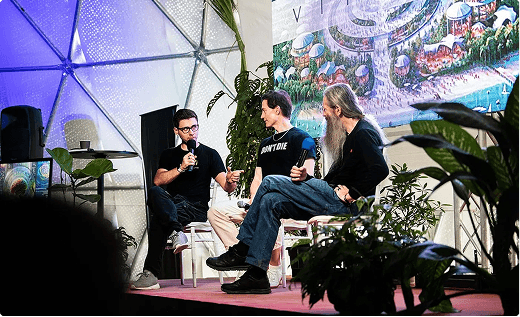
As global populations age, societies are increasingly grappling with the economic and healthcare burdens associated with age-related diseases. These conditions not only reduce quality of life for millions but also place immense strain on healthcare systems, social support networks, and economic productivity.
On a socio-economic level, solving the challenge of healthier aging will extend workforce participation, boost innovation, and strengthen social cohesion.
Longevity science has immense potential, not only to improve individual lives, but to reshape the structure of modern society. It prompts us to rethink how we approach aging, retirement, and intergenerational relationships reimagining the future of public health, economics, and human potential.
The Challenges FACING LONGEVITY SCIENCE

Biological Complexity
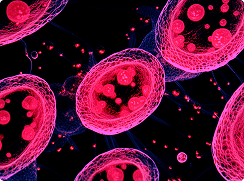
Aging involves multiple interconnected biological processes including cellular senescence, mitochondrial dysfunction, telomere attrition, and epigenetic alterations. This complexity requires a systems-level approach to research.

Funding Gaps
Traditional research funding models often overlook early-stage, high-risk longevity research that could lead to breakthrough discoveries. Long development timelines create incentive misalignments.

Regulatory Hurdles
Current regulatory frameworks aren't designed for preventative aging interventions, creating barriers to clinical translation of promising research findings and therapies.

Knowledge Silos
Research findings often remain siloed within institutions, slowing scientific progress. Open collaboration and data sharing are essential for accelerating discoveries in longevity science.
WHAT’s AT STAKE
Advances in longevity science promise far-reaching benefits for individuals and society. They create more opportunities for personal growth and meaningful relationships across a longer life, while preserving cognitive function and mental clarity into advanced age. By shifting from treatment to prevention, they reduce the healthcare burden of age-related diseases and extend the years people can remain healthy, active, and independent.
These breakthroughs also open new industries and job markets focused on age-delaying therapeutics, strengthening GDP and employment. A healthier, longer-lived population contributes to expanded workforce productivity and longer contribution periods, alongside richer intergenerational knowledge transfer and collaboration. Ultimately, longevity science enables more years of vitality with less disease, improving quality of life for individuals and the communities they support.

VitaDAO is reimagining longevity science with a community-powered, decentralized approach to early stage biomedical research. We are uniting a global network of scientists, enthusiasts, and investors to collaboratively fund, support, and govern early-stage longevity research.
WHAT'S AT STAKE

Improved cognitive function and mental clarity into advanced age

Reduced healthcare burden through prevention rather than treatment of age-related diseases

Expanded workforce productivity and extended contribution periods

Greater intergenerational knowledge transfer and collaboration

Greater opportunity for personal growth and relationship building throughout life

New industries and job markets focused on age-delaying therapeutics, contributing to GDP growth and employment

Extended period of healthy, active life with reduced age-related disease burden for individuals
Foundational Scientific Papers
Books & Learning Resources
Research Organizations+ Initiatives