Welcome back Vitalians! We’re excited to share our monthly update on everything happening across the VitaDAO ecosystem and the wider longevity community.
It seems the talk of the town this month has been surrounding Nicotinamide Adenine Dinucleotide (NAD) - a vital coenzyme that helps cells convert nutrients into energy and supports DNA repair, metabolism, and cellular stress responses. It is generally thought that NAD levels decline with age and that restoring this can attenuate age-related decline, hence the booming supplement market for NAD boosters (check out this great podcast with Charles Brenner discussing the science behind these supplements with Rhonda Patrick). However, the publication of this paper entitled “Human whole-blood NAD+ levels do not vary with age or lifestyle interventions”, led to a lot of public discourse on whether NAD levels truly do decline with age and thus if NAD boosters have any benefit.
Matt Kaeberlein weighed in on the debate with two tweets expressing skepticism about the benefits of NAD supplements (1 & 2) with Alberto Sanz reminding people of the paper “NAD depletion in skeletal muscle does not compromise muscle function or accelerate aging”. The New York Times also did a piece entitled “New Research Upends the Argument for a Popular Longevity Supplement”. However, on the flip side, Charles Brenner countered the debate by explaining the science behind blood NAD levels and why these do not necessarily reflect what is happening in other tissues with age.
Check out these debates to help hone your own thoughts on the role of NAD in ageing.
Now let's check out what's been happening in VitaDAO's portfolio this month!
VitaDAO Portfolio Highlights
To date we have funded more than 30 projects. We are always looking out for more ground-breaking longevity drug discovery science to support, so email us at discovery@vitadao.com if you have, or know any researchers with, a great translational idea in need of funding!
Cyclarity Unveils Oxidized Cholesterol Excretion Data
Cyclarity Therapeutics presented the first clinical data on its lead candidate UDP-003 at the American Heart Association Vascular Discovery Scientific Sessions, drawn from a first-in-human Phase 1 trial conducted at the Monash Victorian Heart Institute. UDP-003 is an engineered cyclodextrin designed to bind 7-ketocholesterol (7KC), an oxidized cholesterol species implicated as a root driver of atherosclerotic plaque, and route it for urinary excretion.
The trial was randomized, double-blind, and placebo-controlled, spanning six dose levels, with participants receiving either a single dose or six administrations across 17 days, and it included a cohort with a history of major adverse cardiac events. The program met its primary, secondary, and exploratory endpoints. On the exploratory pharmacodynamic endpoint, participants on active drug showed clear, dose-dependent urinary excretion of 7KC, which represents the first clinical evidence that this molecule can be mobilized and cleared from the human body. On safety, UDP-003 was well tolerated at every dose level with no serious adverse events across the escalation cohorts, and no meaningful bioaccumulation was observed. The pharmacokinetic profile was linear across the dose range with a half-life of roughly three hours, a property that supports infrequent dosing schedules and the patient adherence that follows from them.
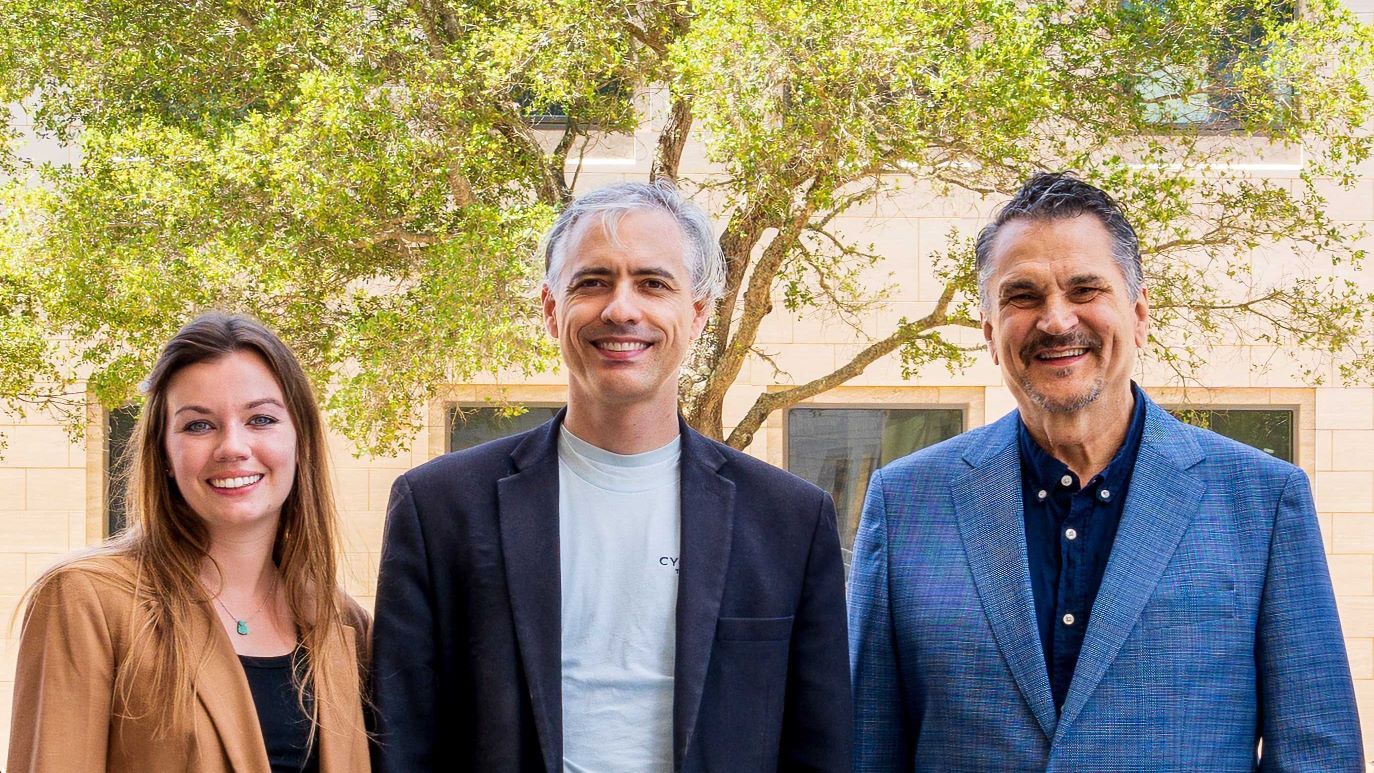
Cyclarity is now enrolling patients with acute coronary syndrome into an efficacy cohort that pairs treatment with pre- and post-dosing coronary CT angiography to measure plaque changes directly, and the company expects to begin a Phase 2 trial later in 2026 with plaque regression as the primary endpoint.
These results matter because they point toward a mechanism that addresses the underlying damage in the artery wall rather than slowing its progression, which is where most existing cardiovascular drugs operate. The clinical stakes are substantial, since research has associated even a 1% reduction in coronary plaque burden with up to a 25% lower risk of heart attack or stroke. Because 7KC accumulation is also implicated in Alzheimer's disease, NASH, and other age-related conditions, a safe and selective way to remove it carries relevance well beyond cardiovascular disease, which places UDP-003 squarely within the root-cause, healthspan-extending approach at the center of the longevity thesis.
Repair Biotechnologies Granted Rare Disease Evidence Principles (RDEP) Eligibility by the FDA for REP-0003 in Homozygous Familial Hypercholesterolemia
Repair Biotechnologies announced that the FDA has granted its investigational mRNA therapy REP-0003 eligibility for the Rare Disease Evidence Principles (RDEP) program in homozygous familial hypercholesterolemia (HoFH), a very rare and life-threatening genetic disorder in which mutations in both copies of the LDLR gene drive extremely elevated LDL cholesterol from birth, accelerated atherosclerosis, and premature cardiovascular death. REP-0003 is built on the company's proprietary Cholesterol Degrading Platform and encodes an enzyme that degrades toxic excess free cholesterol inside cells into a non-toxic, excretable metabolite.
The RDEP designation matters because of the regulatory leverage it confers. Under the program, substantial evidence of effectiveness can be established from a single adequate and well-controlled clinical study supported by confirmatory evidence, which compresses the path to approval into a more efficient, mechanism-driven route. This eligibility builds on the Orphan Drug Designation that REP-0003 received in May 2025 for severe atherosclerosis in HoFH patients, and it aligns with the agency's stated emphasis on mechanism-of-action driven approvals for rare diseases with high unmet need. The company framed the decision as both a derisking of its development program and a validation of the broader platform.
The supporting science to date is preclinical. In LDLR-knockout mouse models of HoFH, addressing intracellular free cholesterol toxicity with REP-0003 produced rapid regression of established atherosclerotic plaque, improvements in liver function, and enhanced exercise capacity. Repair Biotechnologies plans to open an Investigational New Drug application to maintain close collaboration with the FDA through the next development milestones, though the announcement did not attach a timeline to clinical entry.
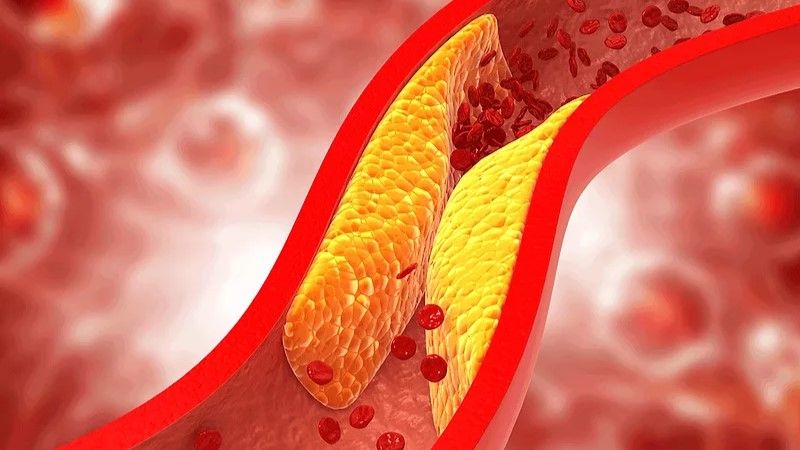
These results are important because current treatments do not reliably control HoFH and carry meaningful tolerability, adherence, or access burdens, which leaves a population of patients with few durable options. A therapy that targets the intracellular free cholesterol toxicity underlying the disease, rather than managing circulating lipids alone, would represent a genuinely disease-modifying approach. The regulatory progress is also notable as a signal, since RDEP eligibility for a platform-derived candidate suggests a faster route from mechanism to approval for the kind of root-cause therapies that sit at the center of the longevity and age-related disease thesis.
Daewoong Pharmaceutical acquires anti-aging platform from Turn Biotechnologies
Daewoong Pharmaceutical announced that it has acquired technology assets and related rights from Turn Biotechnologies through an auction bid, moving the company further into therapies aimed at aging-related disease. The centerpiece is Turn's ERA platform, a partial reprogramming technology that uses mRNA-delivered reprogramming factors to restore aged cells toward a younger and healthier state while preserving their original cellular identity. Partial reprogramming is viewed as a more controlled alternative to full reprogramming, since it improves age-related functional decline without erasing a cell's characteristics, which addresses some of the safety concerns associated with the broader approach.

The deal builds on a prior relationship, as Daewoong's affiliate HanAll Biopharma had previously licensed technology from Turn and invested in the company alongside Daewoong. Daewoong framed the acquisition as consistent with a strategy of treating aging as a controllable biological process and addressing root causes rather than managing symptoms, and it said it intends to strengthen its R&D in this area and secure an early position in the emerging antiaging therapeutics market.
Meet the 11 rising stars of longevity
Business Insider named its first-ever Rising Stars of Longevity for 2026, an 11-person list spanning longevity science, medicine, and investment, selected by reporters and a panel of field veterans for evidence-based work that is breaking new ground.
Among the honorees is Peter Fedichev, co-founder and CEO of Gero and one of VitaDAO's portfolio companies. Fedichev was recognized for his ambition to help humans reach a maximum healthy lifespan of around 120 years rather than adding a few incremental years. Trained as a theoretical physicist in Moscow and Amsterdam, he approaches aging as an equation to be solved, drawing inspiration from exceptionally long-lived and disease-resistant species such as the naked mole rat and the bowhead whale, and aiming to replicate their resilience through biotechnology. He published his first paper on aging mechanisms in 2015 and founded Gero in 2018 to develop antiaging drugs using a combination of physics principles and AI models. Gero is now partnering with Pfizer, applying its AI to analyze millions of medical records and generate new disease targets including fibrosis, and has a broader partnership with Chugai to discover drug targets for age-related diseases.
News and Media
We will now shift gears to highlight what has been happening in the wider longevity ecosystem.
Scientific American covered recent research on how Greenland sharks maintain cardiovascular function for centuries, while another study demonstrated that mouse eyes could perform photosynthesis following a plant-to-animal transplant, illustrating the increasingly unconventional approaches being taken to understand and manipulate biology.
Discussions around fundamental mechanisms of aging continued, with Alexey Fedichev examining aging through the lens of the second law of thermodynamics and Karl Pfleger discussing the two different longevity fields of broadly slowing aging versus pursuing a divide-and-conquer rejuvenation strategy.
Translation of science into practical interventions also remained a major theme. Articles examined how calorie restriction can promote healthy aging without compromising wellbeing, how skin health may influence biological aging more broadly, and Harvard University released Pathways to Longevity: Science and strategies in pursuit of a longer, healthier life - a document “created to help you stay strong, energized, and fully present for life’s most important moments. Written in clear, everyday language by Harvard experts, this 50 page report translates the latest longevity science into practical steps you can start using now”.
Matt Kaeberlein launched new episodes of his Longevity Science podcast, covering topics ranging from the safety and efficacy of popular peptides to broader discussions on rapamycin, cellular reprogramming, and proactive healthcare.
The longevity industry itself continued to expand and organize. The release of the Longevity Biotech Atlas mapped more than 700 organizations across the aging ecosystem, providing one of the most comprehensive overviews of the sector to date. Retro Biosciences announced the initial close of its next financing round at a pre-money valuation of $1.8 billion. The financing is positioned to extend Retro's pipeline beyond its initial programs and fund new discovery efforts targeting the underlying drivers of aging. Calls to accelerate safe access to longevity and regenerative therapies reflected increasing momentum toward clinical translation. The growing role of artificial intelligence in biomedical discovery was also highlighted by a collaboration between Insilico Medicine and Human Longevity to develop an AI foundation model for longevity science.
Beyond specific scientific advances, several contributions examined the future trajectory of the field itself. Discussions around the aging and the narrowing of scientific innovation raised important questions about how research cultures evolve, while VitaDAO’s Paolo Binetti reported from the “Affecting the Aging Trajectory: Regulatory Constructs for Gerotherapeutic Drug, Biologic, and Device Development” meeting with the take-home being “the combination of ARPA-H funding, XPRIZE infrastructure, and direct FDA engagement in one coordinated push is new for the field and worth watching closely”.
Preprint Corner — in collaboration with The Longevist

The Longevist is a preprint overlay journal spotlighting the most promising longevity research. The journal is currently paused as we build an automated curation agent - the Longevist AI Agent (LAIA). To stay updated, sign up to our newsletter and follow us on X.
AMPK senses cellular levels of nicotinamide adenine dinucleotide
Viktor Korolchuk discovered that AMPK, a key cellular energy sensor, can also directly detect changes in NAD levels. When NAD levels fall, AMPK becomes more active, triggering metabolic responses that help cells adapt to stress, revealing a new link between NAD metabolism, ageing, and cellular health.
Old worms, new tricks: dynamical instability explains late-life rejuvenation in C. elegans
Ageing may be driven not only by the accumulation of damage, but also by a gradual loss of stability in the body's regulatory systems. Using a physics-inspired model, this work explains how a late-life intervention in worms nearly doubled remaining lifespan by restoring system stability, even without reversing existing age-related damage.

Systematic common and rare variant association testing in 392,030 whole genomes in All of Us
One of the largest analyses of human genetics to date combined genomic and health data from nearly 400,000 participants in the All of Us program and almost 800,000 people when integrated with UK Biobank. The study uncovered thousands of gene–disease associations, including dozens that had not been identified before, and provides a powerful public resource for exploring the genetic basis of health and disease.
Reversible hypervascularization drives cognitive decline and blood-brain barrier damage during aging
Ageing brains can follow at least two distinct vascular trajectories, including a previously unrecognized state characterized by excessive blood vessel growth, blood–brain barrier leakage, and impaired memory. In mice, stabilizing the brain's blood vessels improved barrier function and cognitive performance, suggesting that vascular dysfunction may be a treatable driver of some forms of dementia.
Published Literature Hot Picks
Sleep chart of biological ageing clocks in middle and late life
Across multiple measures of biological ageing, both too little and too much sleep were associated with accelerated ageing, increased disease risk, and higher mortality. The lowest biological age was consistently linked to around 6.4–7.8 hours of sleep per night, suggesting that maintaining an optimal sleep duration may help support healthy ageing and longevity.
Human whole-blood NAD+ levels do not vary with age or lifestyle interventions
Despite the widespread belief that NAD⁺ levels decline with age, this study found that NAD⁺ levels in human blood remain largely stable across adulthood and are not meaningfully altered by lifestyle factors. While NAD⁺-boosting supplements such as nicotinamide riboside increased blood NAD⁺ levels, the findings suggest that blood NAD⁺ may not be a useful biomarker of ageing.
The Greenland shark genome: Insights into lifespan extremes and population dynamics
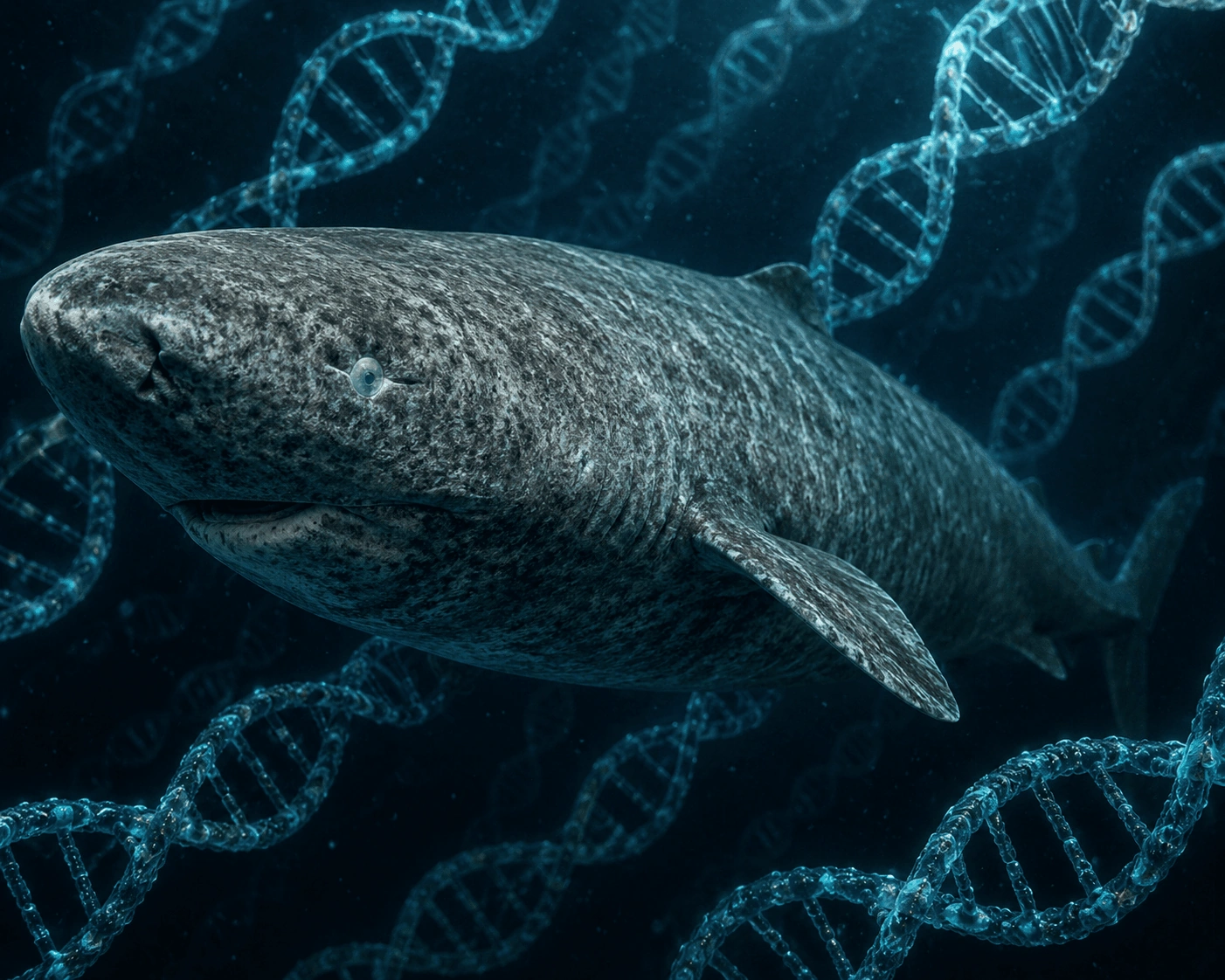
The first high-quality genome of the Greenland shark—the longest-lived known vertebrate—reveals genetic adaptations linked to enhanced DNA repair, cancer resistance, immune function, and chromatin stability. These findings provide new clues to how some animals achieve extreme lifespans and may help guide future ageing research.
Genetic and molecular factors underlying human longevity and epigenetic aging
By combining large-scale genetic datasets, this study identified cholesterol metabolism, immune function, and IGF-1 signaling as important factors associated with biological ageing and longevity. The analysis also uncovered dozens of genes, proteins, and metabolites linked to ageing, highlighting several potential drug targets that could be explored for treating age-related diseases.
Natural killer cell immunotherapy reverses lung fibrosis by eliminating senescent fibroblasts
Senescent cells in fibrotic lungs appear to evade destruction by natural killer (NK) cells using an immune checkpoint mechanism similar to those seen in cancer. Blocking this pathway restored NK cell activity, cleared senescent cells, and reduced lung fibrosis in mice, highlighting a potential new treatment strategy for pulmonary fibrosis.
Transplanting light-dependent reactions for mammalian eye photosynthesis
Scientists engineered a plant-derived photosynthetic system that can function inside mammalian corneal cells, allowing them to use light to produce energy-rich molecules such as NADPH and ATP. In laboratory experiments, this light-powered boost reduced oxidative stress and inflammation, suggesting a novel way to harness sunlight to support tissue health and repair.

Low-density lipoprotein cholesterol and lifespan: A Mendelian randomization study
Genetic evidence from more than one million people suggests that lower LDL ("bad") cholesterol levels are associated with a longer lifespan and a greater chance of reaching exceptional old age. The findings support the idea that long-term LDL reduction—particularly through pathways targeted by PCSK9 inhibitors—may promote longevity even in the general population, not just those at high cardiovascular risk.
Multimodal clocks of human aging
Using data from more than 2,000 people, researchers developed a new suite of biological ageing clocks that combine clinical, physiological, and molecular measurements to estimate how quickly different individuals and organs are ageing. The study also identified age-related increases in blood clotting factors as a potential driver of inflammation and decline across multiple organs.

Hypoxia-induced autophagic degradation of HIF-1α attenuates cellular aging and extends mammalian lifespan
The intervertebral disc appears to be one of the body's slowest-ageing tissues, thanks to a mechanism that removes excess HIF-1α and limits cellular stress under low-oxygen conditions. Inspired by this natural protection, scientists developed a drug that mimics the process, improving multiple age-related conditions and extending lifespan in aged mice.
Published Literature Reviews, Comments, Perspectives and more
Mitigating the Hawthorne effect in aging research
Simply participating in an ageing study can lead people to change their behaviour in ways that improve health biomarkers, sometimes matching or exceeding the effects of the intervention being tested. This commentary proposes new methods to help researchers distinguish genuine anti-ageing effects from improvements caused by increased attention and monitoring during a trial.
The need to increase support for healthy ageing and longevity research in the EU by establishing a Coordination and Support Programme on Healthy Ageing and Longevity
With Europe's population ageing rapidly, age-related diseases are placing increasing pressure on healthcare systems and public finances. This paper calls for a coordinated EU-wide programme to accelerate healthy ageing and longevity research, while aligning innovation, regulation, and healthcare policy across Member States.
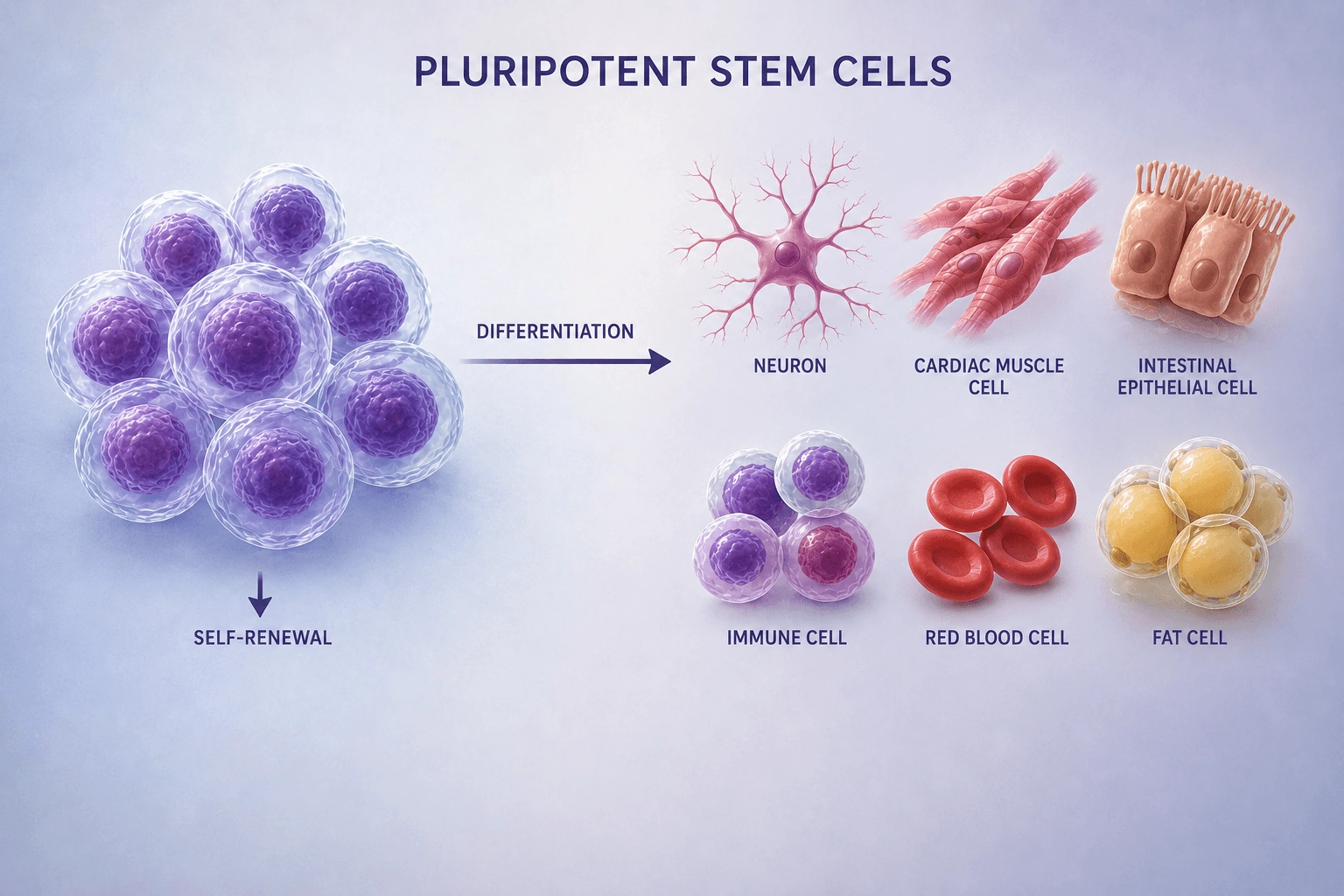
Two decades of induced pluripotent stem cell research: From discovery to diverse applications
Twenty years after their discovery, induced pluripotent stem cells (iPSCs) have become a cornerstone of modern biomedical research, enabling scientists to reprogram adult cells into a stem-cell-like state. This review traces the development of the field and highlights how iPSCs are now being used in areas ranging from disease modelling and regenerative medicine to ageing and rejuvenation research.
Evolutionary genetics of ageing
Ageing may be an unintended consequence of evolution: genes and biological pathways that improve survival and reproduction early in life can persist even if they have harmful effects in later years. By combining evolutionary theory with modern genetics and ageing biomarkers, this review explores why ageing differs so dramatically across species and how these insights could help guide efforts to extend healthy lifespan.
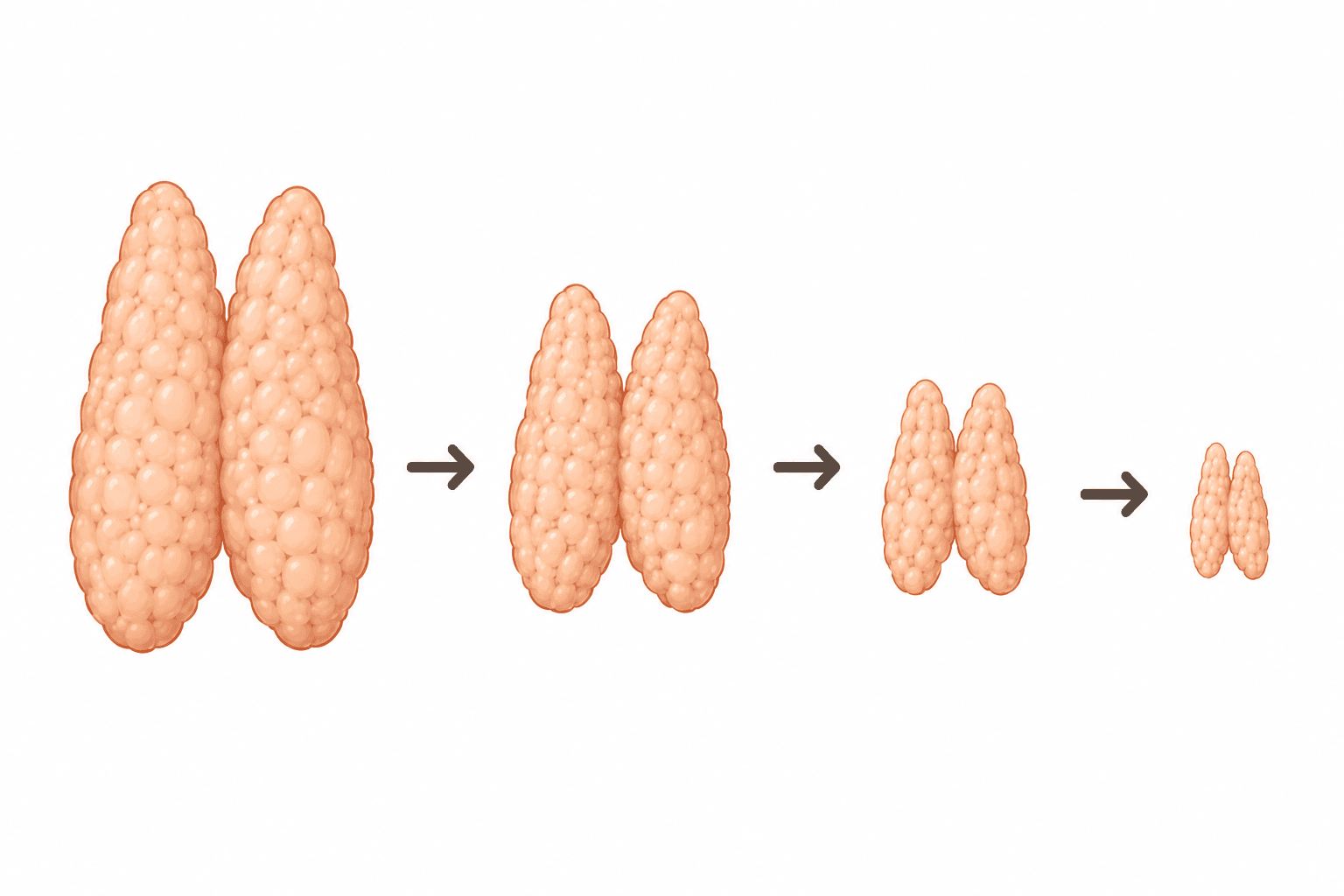
Age-related thymic involution: Mechanistic insights and rejuvenating approaches to restore immune function
The thymus, an organ responsible for producing T cells, gradually shrinks and loses function with age, contributing to weaker immunity, poorer vaccine responses, and increased susceptibility to disease. This review examines the biological causes of thymic ageing and highlights emerging strategies that could rejuvenate thymus function and help restore immune health in older adults.
Thymus regeneration therapies: entering a new era
Advances in stem cell engineering are bringing the prospect of lab-grown thymus tissue closer to reality, with the potential to restore immune function in people with immune deficiencies, age-related immune decline, and other chronic conditions. The field is now exploring scalable approaches using induced pluripotent stem cells that could one day provide personalized or partially matched thymus replacement therapies.
From whole-body to organ-specific biological age clocks
Different organs appear to age at different rates, and accelerated ageing in one organ may contribute to decline in others through interconnected ageing networks. This review highlights emerging methods for measuring organ-specific biological age and argues that personalized “organ ageing maps” could help identify early signs of decline and guide targeted interventions.
An overview of current research on exercise interventions in aging and aging-related disease
Regular exercise appears to be one of the most effective ways to slow age-related decline in the immune system, helping to reduce chronic inflammation while improving the function of key immune cells such as T cells and natural killer cells. Evidence from both animal and human studies suggests that physical activity may enhance resilience against infections, cancer, metabolic disease, and other conditions linked to immune ageing.

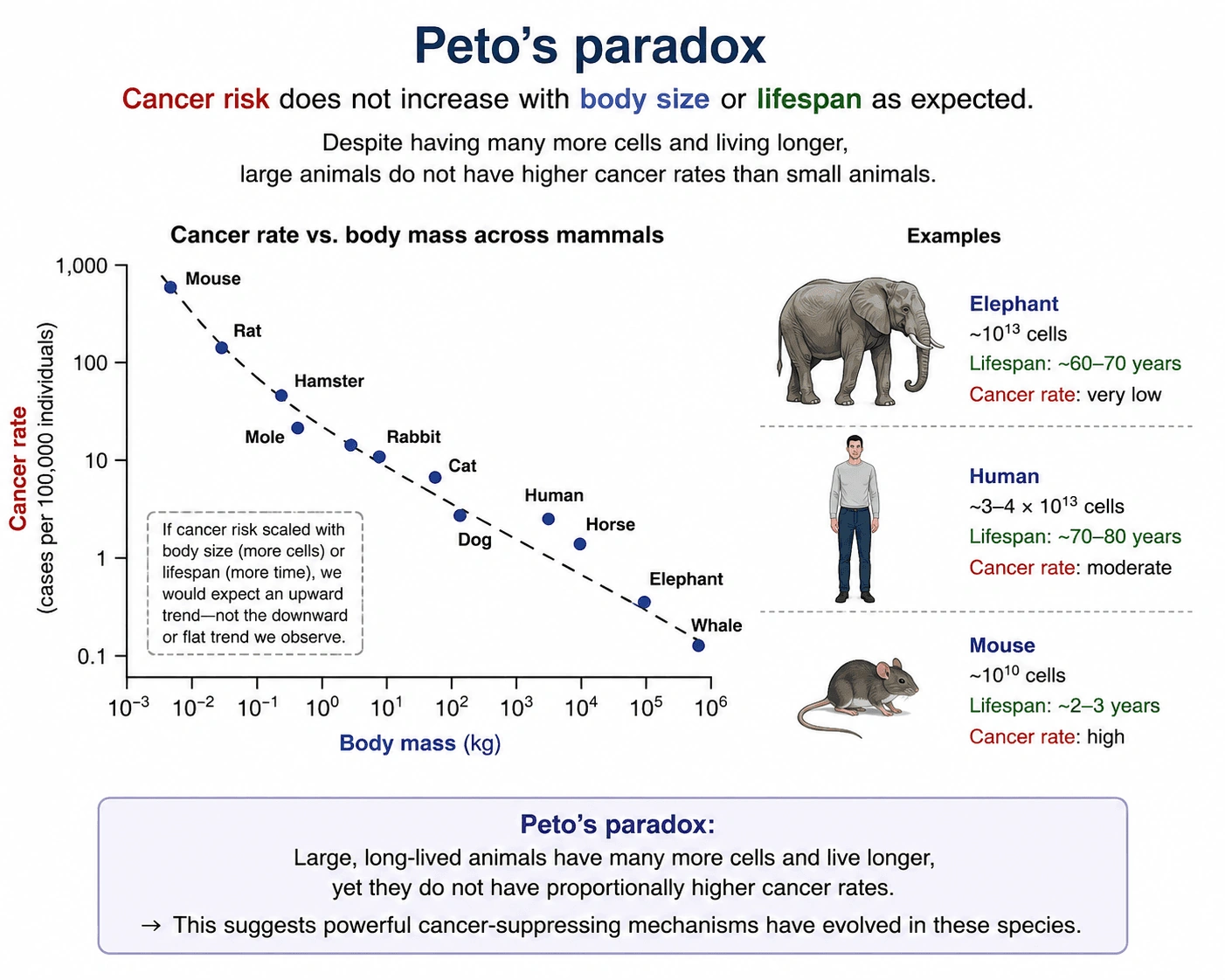
The Cellular Stress Responses and the Resolution of Peto's Paradox
Large animals such as whales do not appear to get more cancer than smaller animals, a puzzle known as Peto's paradox. This paper argues that the answer may not lie in species evolving unique anticancer defenses, but rather in natural selection tuning cellular stress-response systems so that cancer is generally delayed until after reproduction, reducing its impact on evolutionary fitness.
Inflammaging: From Mechanisms to Clinical Implications and Targeted Interventions
Inflammaging is the chronic, low-level inflammation that develops with age and is increasingly recognized as a key driver of frailty, functional decline, and age-related diseases. This review explores the biological causes of inflammaging and discusses how biomarkers, artificial intelligence, and precision medicine approaches could help identify at-risk individuals and guide interventions to promote healthy ageing.
Outro
We hope you enjoyed this month’s update on the latest happenings at VitaDAO and across the wider community. Stay tuned for more on what we’ve been working on in next month’s edition.
Further Reading
For the longevity aficionados, here are some additional published research papers to explore:
- Urinary detection of therapy-induced senescence and fibrosis using an injectable albumin-based nanoprobe
- Natural killer cells: gatekeepers of healthy aging in longevity medicine
- Structures of naked mole-rat, tuco-tuco, and guinea pig ribosomes—is rRNA fragmentation linked to translational fidelity?
- Structural decomposition enables multi-omics dissection of common and organ-specific aging
- Physical activity and biological age measured by DNA methylation clocks: a systematic review and meta-analysis
- Chronic inflammation mediates the relationship between physical activity and telomere length
- The IGF-1 senescence switch: a biphasic model for SASP-driven aging and precision senomodulation
- Exceptional Longevity Modifying Allele APOE2 Promotes DNA Signaling Pathways Resisting Cellular Senescence in Human Neurons
- Modifiable lifestyle factors and 4.9-Year changes in phenotypic age in the Taiwan biobank
- Spermidine Mitigates Immune Cell Senescence and Boosts Vaccine Responses in Healthy Older Adults—A Pilot Study
- Targeting Hyperoxia-Induced Cellular Senescence in Developing Human Airway Cells: Senomorphics Versus Senolytics Versus Antioxidants
- Postbiotic derived from Lacticaseibacillus paracasei CNCM I-5220 as a novel approach to improve ageing-induced skin damage
- Resistance to age-related hypercoagulability: insights from the naked mole rat
- Senescent cells in systemic aging: SASP heterogeneity, immune escape, and endocrine modulation
- Cellular senescence: from pathogenic mechanisms to precision anti-aging interventions
- Expanding the human proteome with microproteins and peptideins
- PRiMeFlow: Capturing Complex Expression Heterogeneity in Perturbation Response Modelling
- Natural senolytic activity of Rhodiola rosea extract alleviates age-associated phenotypes via paraptosis