Introduction
Welcome, Vitalians!
We're excited to introduce the VitaDAO Longevity Newsletter - your regular update on everything happening across the VitaDAO ecosystem and the wider longevity community.
In each edition, we'll share highlights from across the DAO - including portfolio updates, progress from our in-house venture studio VitaLabs, insights from our longevity preprint journal The Longevist, and other initiatives taking shape behind the scenes.
We'll also bring you the most interesting developments from the broader longevity field, from new discoveries in the scientific literature to emerging therapeutic approaches that could shape the future of healthy aging.
Whether it's new science, new ventures, or new ideas, this newsletter is designed to keep the VitaDAO community informed and connected.
Let's dive in.
VitaDAO Portfolio Highlights
To date we have funded more than 30 projects. We are always looking out for more ground-breaking longevity drug discovery science to support, so email us at discovery@vitadao.com if you have, or know any researchers with, a great translational idea in need of funding!
Aubr.ai — AI BioAgent co-developed with Bio Protocol and LEV Foundation to accelerate longevity research and support the RMR2 combination rejuvenation study in mice
Aubr.ai, a pioneering AI BioAgent trained on Dr. Aubrey de Grey's research insights and integrated with DeSci funding tools, continues to grow its community interactions — try it at aubr.ai or @Aubrai_.
Aubr.ai is now the state-of-the-art AI for longevity research. Trained on decades of aging literature, private lab notes, and insights from Dr. Aubrey de Grey's lab, Aubrai is ranked #1 on BixBench — scoring 48.78% open-answer, 55.12% multiple-choice + refusal, and 64.39% multiple-choice — outperforming Edison Scientific and Kepler. The agent runs up to 8 hours of autonomous deep research on aging questions, with persistent memory so longevity insights compound across sessions, covering literature synthesis, hypothesis generation, and lifespan experiment design.
On the research side, RMR2 pilot studies are now underway at LEV Foundation, building on RMR1 learnings by testing a larger set of at least 8 combination damage-repair interventions (vs. 4 in RMR1) with rapamycin as baseline across all groups; the main phase is expected to begin around mid-2026 with significant results by 2028.
Our long-term vision is to autonomise and scale the discovery of longevity therapeutics. Aubrai, who has been trained on decades of longevity literature, has already begun generating novel hypotheses, resulting in a growing pipeline of ideas ready for experimental validation. Watch this space!

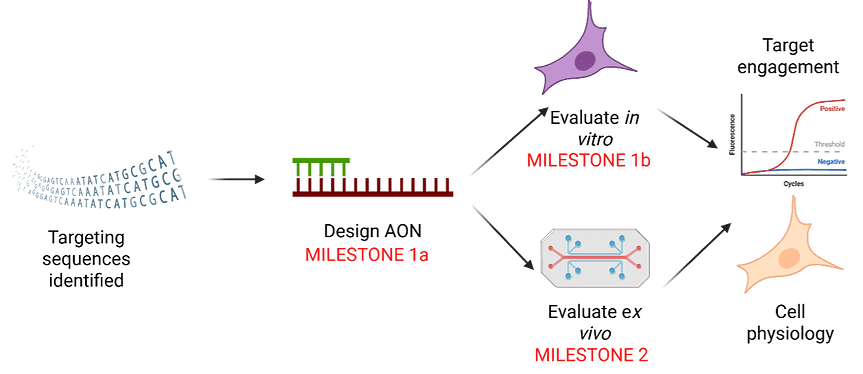
FOXO3 – Developing antisense oligonucleotide therapeutics targeting FOXO3 isoform expression for degenerative disc disease.
The project has made strong early progress in Q1 2026, completing oligo design across three distinct mechanisms of action using clinically validated chemistry. All primary cell lines (dermal fibroblasts, annulus fibrosus, and nucleus pulposus) have been procured and expanded, with preliminary data confirming successful intracellular delivery in disease-relevant cell types. The team is now characterizing baseline isoform expression and assessing oligo functionality, running ahead of the milestone 1 timeline.
To learn more about ASO drug discovery, check out this recent review: Antisense Oligonucleotide Therapeutics Targeting Age-Related Diseases.
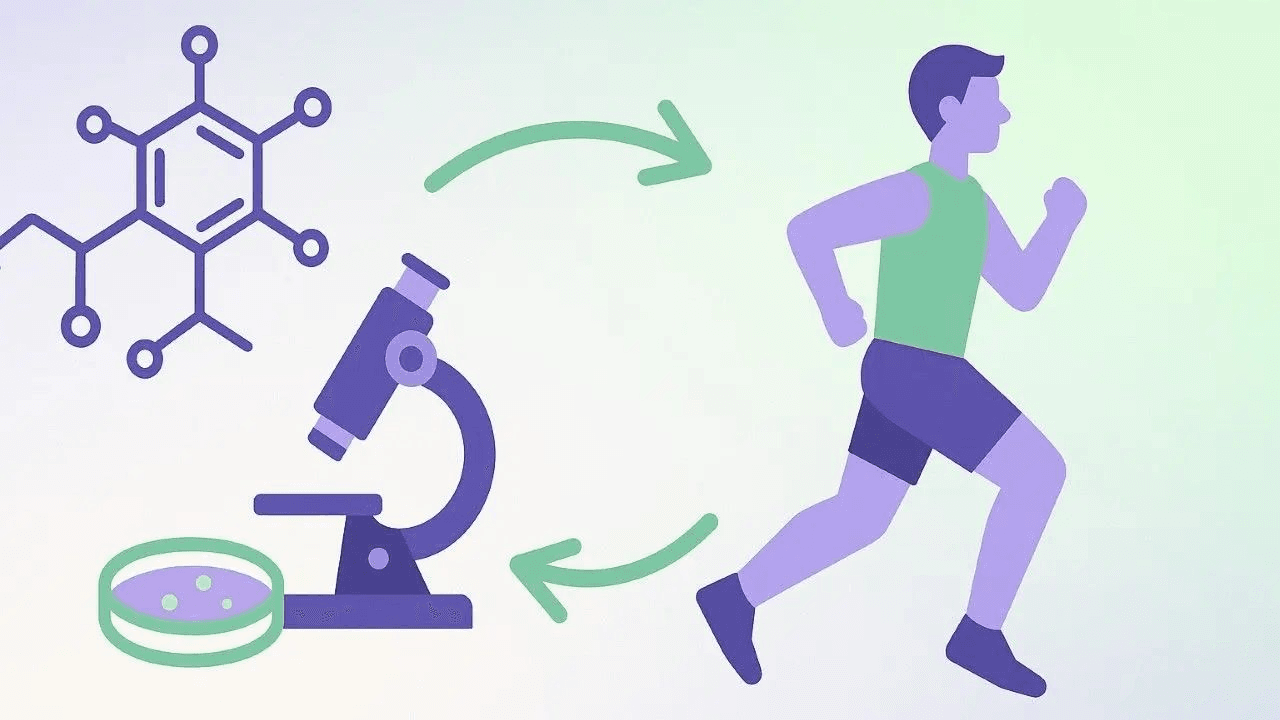
Rapamycin & Exercise Trial – Double-blind, placebo-controlled trial of weekly rapamycin combined with exercise in older adults.
The manuscript reporting results from the completed 40-participant trial has been accepted for publication by the Journal of Cachexia, Sarcopenia and Muscle. Full results will be publicly available upon publication.
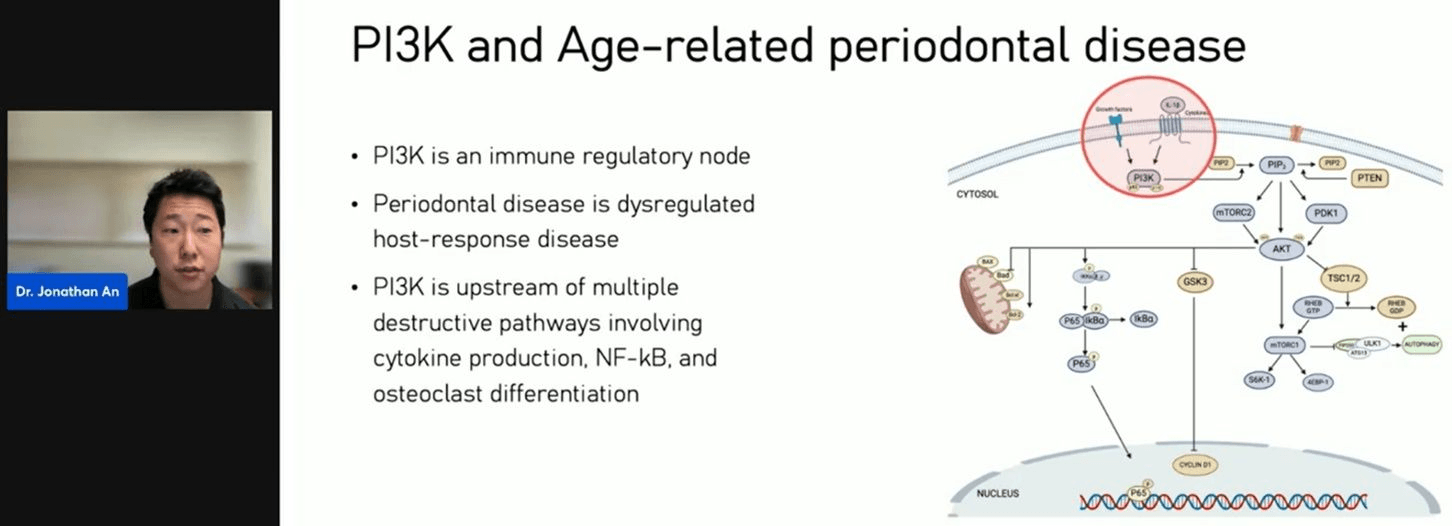
Reversing Periodontal Disease — Testing small molecule inhibitors of the PI3K/NF-κB/mTOR pathway against age-related gum disease and bone loss in aged mice
The project is now complete. Prof. Jonathan An's team at the University of Washington showed that aging upregulates PI3K/CSF1R signaling in periodontal tissues, driving chronic inflammation and bone loss, and that pathway-specific inhibition with three small molecules modulates RANKL, NF-κB signaling, and inflammatory cascades, with structural analysis demonstrating attenuation of alveolar bone loss. The team presented results to the community (watch here) and a manuscript is in preparation for a peer-reviewed journal.
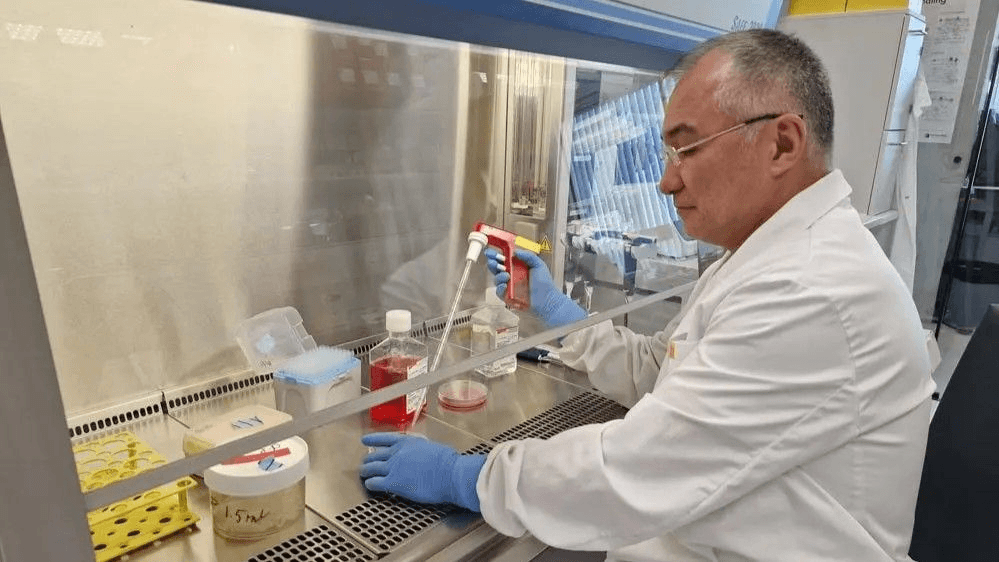
Transfidelity – Developing small molecule therapeutics that improve protein biosynthesis accuracy to combat age-related neurodegenerative diseases.
The project has reached a key inflection point, with data across multiple assay systems demonstrating that lead compounds restore cellular proteostasis and significantly reduce protein aggregation — including in disease-relevant patient-derived cell models. Phosphoproteomics analysis has identified the specific signaling pathway and downstream target through which the compounds act, opening a clear route for novel IP generation and future drug design.
VitaDAO will soon be launching its own senescence target discovery project - VitaSeno. To learn more about senolytics as a therapy, check out this interesting review: Cellular senescence as a therapeutic target for aging intervention.
VitaLabs - our in-house Longevity Venture Studio
This is the last week to apply for VitaLabs Season 2. We have received 94 applications so far, spanning the Americas, Europe, Asia, Africa, and the Middle East. The ideas coming in range from therapeutic moonshots (senolytics, proteostasis, mitochondrial interventions) to diagnostics and biomarkers (including liquid-biopsy concepts), plus AI-first computational platforms and DeSci-native infrastructure.
We built Season 2 of VitaLabs around a simple premise: information is only valuable if it can change a decision. So, we design projects to answer one essential question early: is this idea worth scaling into a bigger program? In practice, this means starting with the smallest decisive test—a fast, interpretable experiment designed to resolve the highest-leverage uncertainty first, with a clean line-of-sight to human relevance.
Since we don't expect applicants to already work in this style, we're running a more interactive application process this season. With the help of Aubr.ai, our longevity research agent, some applicants will receive a short revision email with high-yield questions that help tighten the proposal: fill in what is missing, surface the biggest unknowns, and make the first experiment easier to evaluate and execute. But it is not just "feedback." It is also a small taste of the fellowship itself. The questions are written in the VitaLabs style, so applicants can see how we pressure-test an idea, clarify what really matters, and turn a promising concept into a lean, decisive experimental plan.
Fellows receive dedicated research funding, plus hands-on support. Experimental work can be executed via cloud labs or CROs, and Fellows get full access to Aubr.ai. Apply Today
News and Media
We will now shift gears to highlight what has been happening in the wider longevity ecosystem.
One of the most significant pieces of longevity news this month is that David Sinclair's company Life Biosciences has been given the go-ahead for a clinical trial to test if partial epigenetic reprogramming can rejuvenate cells in the eye to restore vision loss. This will mark the first partial reprogramming human trial.
More positive signs are also on the horizon for longevity therapeutics as ARPA-H pours millions into healthspan-focused human trials and FDA rewrites drug approval rules and longevity stands to gain.
And it's not just humans who are getting closer to longevity therapeutics, as Loyal raises $100m as canine longevity drug nears approval.
Nature has already solved a number of age-related issues that affect humans. For example, the human thymus starts losing mass and functionality not long after adulthood, whereas this month we learned that axolotls can completely rebuild their thymus and they also retain fertility throughout lifespan. For more on comparative biology, check out: What the World's Longest-Lived Animals Can Teach Us About Aging.
There is also a lot we can learn from long-lived humans, as this article highlights how centenarians' blood sheds light on the mechanisms of longevity.
Until we can harness all of the secrets of long-lived humans and other organisms, there are simple lifestyle alterations we can make straight away. The USDA just released Dietary Guidelines for Americans, 2025–2030 — their message is simple: eat real food! See also: Five healthy habits for longevity in your 40s and 50s.
Some people like to take their longevity protocols even further — check out why people are spending $1,300 on longevity treatments, and meet the Vitalists: the hardcore longevity enthusiasts who believe death is "wrong". However, one should always apply caution before trying anything that has not been rigorously tested — this month we learn that a popular brain supplement is linked to shorter lifespan in men. And more bad news for those harbouring a Y chromosome: Men Lose Their Y Chromosome With Age. We Finally Know The Cost.
For the podcast fans, Charles Brenner appeared on Rhonda Patrick's Found My Fitness and stated that her questions were probably the best he has been asked on a podcast. Check it out: How To Boost NAD Levels To Fight Inflammation, Improve Recovery, and Slow Aging | Dr. Charles Brenner.
Another interesting podcast to check out is Eleanor Sheekey discussing the preprint "A Minimal Model Explains Aging Regimes and Guides Intervention Strategies", delving into why so many anti-aging drugs work in mice but fail in humans. Watch the Sheekey Science show discuss the 3 levels of aging therapeutics.
Preprint Corner — in collaboration with 
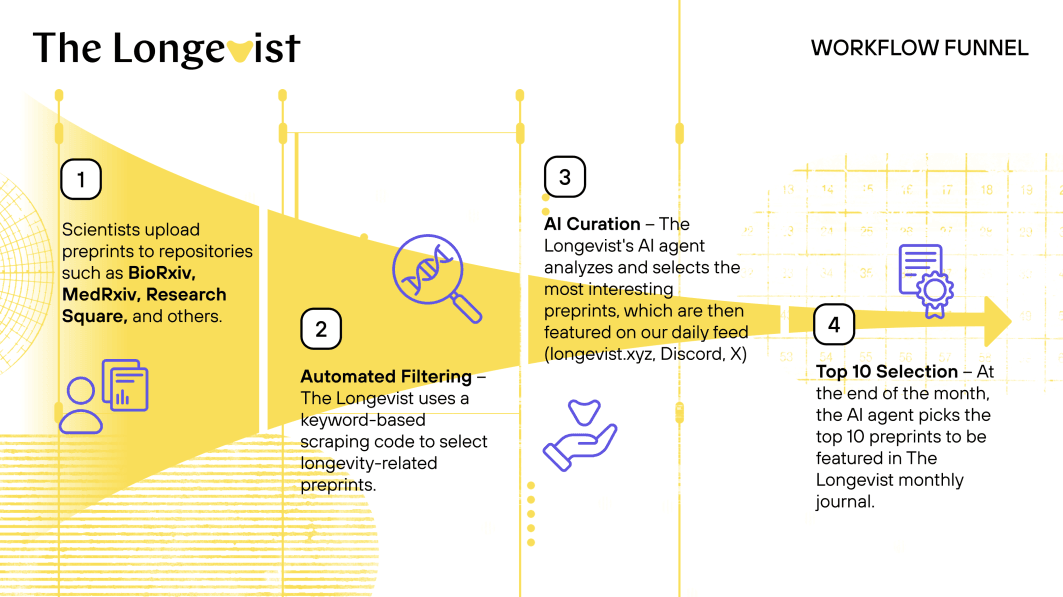
The Longevist is a preprint overlay journal spotlighting the most promising longevity studies each quarter.
The Longevist is a preprint overlay journal spotlighting the most promising longevity studies each quarter. Preprints have revolutionised scientific publishing by enabling researchers to share their discoveries with the world immediately. However, the vast number of preprints being published daily makes it extremely challenging to keep up with all the latest literature.
We have temporarily paused new editions of The Longevist whilst we build something new. Moving forward, we aim to further empower our readers by increasing the frequency of curation and providing tools that make scientific literature easier to analyze and understand. To achieve this, we will be transitioning to fully automated curation by developing our bespoke Longevist AI Agent (LAIA), designed to autonomously curate and analyze the most groundbreaking longevity preprints.
LAIA will curate a daily stream of longevity preprints which will be posted to The Longevist website and VitaDAO's communication platforms (Discord & Telegram). LAIA will also be deployed on these platforms to answer scientific questions, making complex literature more accessible to community members of all levels of scientific understanding.
To stay updated on The Longevist and LAIA, please sign up to our newsletter and follow us on X.
To whet your appetite, here are some recent preprints:
LongevityBench: Are SotA LLMs ready for aging research?
Researchers created LongevityBench, a test suite to evaluate whether AI models truly understand aging biology and can use biological data to predict health outcomes and lifespan. The benchmark reveals current AI weaknesses and suggests ways to improve their usefulness in longevity research.
Codon bias coevolves with longevity
Long-lived mammals appear to have evolved genetic "spellings" that reduce harmful mutations and help proteins fold correctly, lowering the buildup of damaged or misfolded proteins linked to aging. These subtle changes in DNA coding may improve cellular stability over time, contributing to longer lifespans.
Maximal human lifespan in light of a mechanistic model of aging
Human maximum lifespan has changed little because it is mainly determined by how fast cellular damage accumulates and how well the body can repair or remove it. Healthy lifestyles can help people live longer on average, but meaningfully extending the absolute human lifespan will likely require therapies that directly reduce or repair biological damage.
Rare longevity-associated variants, including a reduced-function mutation in cGAS, identified in multigenerational long-lived families
Longevity can run in families partly due to rare genetic variants that reduce inflammation and slow cellular aging. One such variant weakens the cGAS-STING immune pathway, which may delay age-related damage and help people live longer, healthier lives.
On Using Large Language Models to Understand the Language of Life
Advances in AI and large biological datasets could eventually allow scientists to build predictive models of how human cells, tissues, and organs function over time. Such models could transform medicine by helping us understand, predict, and treat diseases more effectively.
Why we age: the four process model
The authors propose that aging is driven not simply by accumulated damage but by a built-in biological process that slows cell metabolism to prevent runaway cell growth, such as cancer. This protective slowdown may unintentionally lead to insulin resistance, weight gain, inflammation, and other age-related diseases.
SenCat: Cataloging human cell senescence through multiomic profiling of multiple senescent primary cell types
Scientists created a comprehensive catalog of aging (senescent) cells across many human cell types, showing there is no single universal marker but shared stress and repair pathways. This resource could help researchers better identify and target harmful senescent cells in different tissues to treat age-related diseases.
Integrating AI and causal genetics to prioritize therapeutic targets for aging and age-related diseases
Researchers used AI to analyze large biological datasets and identify shared molecular targets linking aging with multiple age-related diseases, highlighting chronic inflammation as a central driver. Their findings point to existing drug targets — such as IL6 and NLRP3 pathways — that could potentially be repurposed to treat several aging-related conditions at once.
Published Literature Hot Picks
Cellular survivorship bias as a mechanistic driver of muscle stem cell aging
As we age, muscle stem cells become slower to repair damage because they shift toward survival mode, producing more NDRG1, which dampens growth signals needed for rapid regeneration. Also see: Scientists reverse muscle aging in mice and discover a surprising catch.
Organism-wide cellular dynamics and epigenomic remodeling in mammalian aging
Scientists created a detailed map of how gene regulation changes with age across many mouse tissues, revealing shifts in cell types and DNA accessibility, especially in immune cells. The study also found important sex-specific differences, highlighting the need to consider biological diversity when studying aging.
Senotoxins target senescence via lipid binding specificity, ion imbalance and lipidome remodeling
Scientists discovered that a toxin called sticholysin I can selectively kill senescent ("aged") cancer cells that remain after chemotherapy and can promote relapse. In mice, combining this toxin with chemotherapy improved tumor remission, suggesting a new strategy to make cancer treatments more effective.
Comparative analysis of senolytic drugs reveals mitochondrial determinants of efficacy and resistance
Scientists compared 21 "senolytic" drugs that aim to clear aged, damaged cells and found two of the most effective, though some stubborn cells survived by maintaining healthy mitochondria. Increasing metabolic stress — through ketogenic diets or certain diabetes drugs — made these treatments work better in lab and mouse studies.
A decline in glycolytic ATP production is the fundamental mechanism limiting lifespan
As we age, our cells produce less quick energy through glycolysis, which may contribute to slower cell repair and other signs of aging. The authors propose this slowdown evolved to help species survive food scarcity and balance reproduction.
Association between vitamin intake and biological aging: evidence from NHANES 2007–2018
In a large U.S. study, people who consumed more vitamins — especially vitamin C — showed signs of slower biological aging based on physiological markers. The findings suggest that a vitamin-rich diet may help promote healthier aging.
The human pathome shows sex and tissue specific aging patterns
By analyzing millions of pathology reports, researchers identified patterns showing when aging begins in different tissues and found that women tend to start aging earlier but more slowly, while men age later but faster. Using these insights, they highlighted nintedanib as a potential anti-aging therapy.
Astronauts as a Human Aging Model: Epigenetic Age Responses to Space Exposure
A short space mission caused astronauts' biological age markers to rise by nearly two years within a week. Encouragingly, these changes reversed after returning to Earth, suggesting spaceflight can temporarily accelerate aging but also offers a unique way to study anti-aging strategies.
Partial Reprogramming Is Conserved from Insect to Mammal
Research shows that mature cells can be partially "reprogrammed" to a more youthful state using Yamanaka factors. Along with senolytic drugs and aging clocks, this approach could open new ways to extend lifespan and improve health in later life.
Lifespan-Extending Endogenous Metabolites
Certain naturally occurring metabolites help regulate how the body senses nutrients and controls genes linked to aging, and some can extend lifespan in model organisms. Targeting these metabolic pathways may offer a way to slow aging and improve healthspan.
The ethics case for longevity science
The authors argue that extending healthy lifespan is not just beneficial but ethically justified, emphasizing personal autonomy and the intrinsic value of life. They contend that common concerns — overpopulation, inequality, loss of meaning — are not strong reasons to oppose longevity research.
The pursuit of understanding human longevity
Living past 100 does not necessarily mean living in poor health — studies show that exceptional longevity is linked to resilience shaped by genetics, efficient metabolism, low inflammation, and healthy lifestyles.
And a few more papers of interest:
- Select Small Non-Coding RNAs Are Determinants of Survival in Older Adults
- Senolytic-Resistant Senescent Cells Have a Distinct SASP Profile and Functional Impact: The Path to Developing Senosensitizers
- CardioMetAge estimates cardiometabolic aging and predicts disease outcomes
- Plasma-based strategies for systemic rejuvenation: critical perspectives on clinical translation
- Polyamine metabolism as a regulator of cellular and organismal aging
Outro
We hope you enjoyed this month's update on the latest happenings at VitaDAO and across the wider community. Stay tuned for more on what we've been working on in next month's edition.