

Welcome back Vitalians! We’re excited to share our monthly update on everything happening across the VitaDAO ecosystem and the wider longevity community.
Experimental Longevity Drug Survey
Would you like early access to longevity drugs? Our Experimental Longevity Drug Survey is open. Answer this survey and we will put you on a waiting list!
Recent regulatory reforms in Montana and the Bahamas have opened new pathways for accessing experimental longevity therapeutics before full approval, provided they have completed Phase 1 trials and cleared an Experimental Treatment Review Board or equivalent.
So, in partnership with LARTA and Wildcreek Life Sciences, VitaDAO is conducting a short survey (5-10) to explore interest in these early-access programmes, including acceptable safeguards and costs. Only anonymised, aggregate results will be published, with the findings helping to inform the future development of these programmes.
You can access the survey here.

Vita App
A quick reminder that the Vita App is now live, allowing you to bring your wearable data and blood test results into one place, follow changes over time, and explore the research behind your results. You can access it here (or go to vitadao.com and hit "Launch app").

VitaDAO Portfolio Highlights
Now let's check out what's been happening in VitaDAO's portfolio this month!
Rubedo Life Sciences advances RLS 1496 into hair loss studies
Rubedo Life Sciences announced plans to test its investigational GPX4 modulator RLS-1496 in people with androgenetic alopecia, following encouraging results in human hair follicles studied outside the body. The study was scheduled to begin in October 2026, led by dermatologist David Pariser, with initial results expected in the first half of 2027.
In the experiments, follicles from men with androgenetic alopecia were exposed to dihydrotestosterone to model the conditions associated with hair loss. RLS-1496 increased follicle elongation over six days, with statistically significant improvements over vehicle at two doses. The highest dose showed a numerically greater response than finasteride, although this does not establish superior efficacy in patients.
The programme explores whether targeting senescent and stressed cells around hair follicles can help restore growth. Rubedo describes a proposed dual mechanism involving clearance of pathological senescent cells and restoration of function in stressed cells. The forthcoming study will test whether the laboratory findings translate into benefits for people with hair loss.
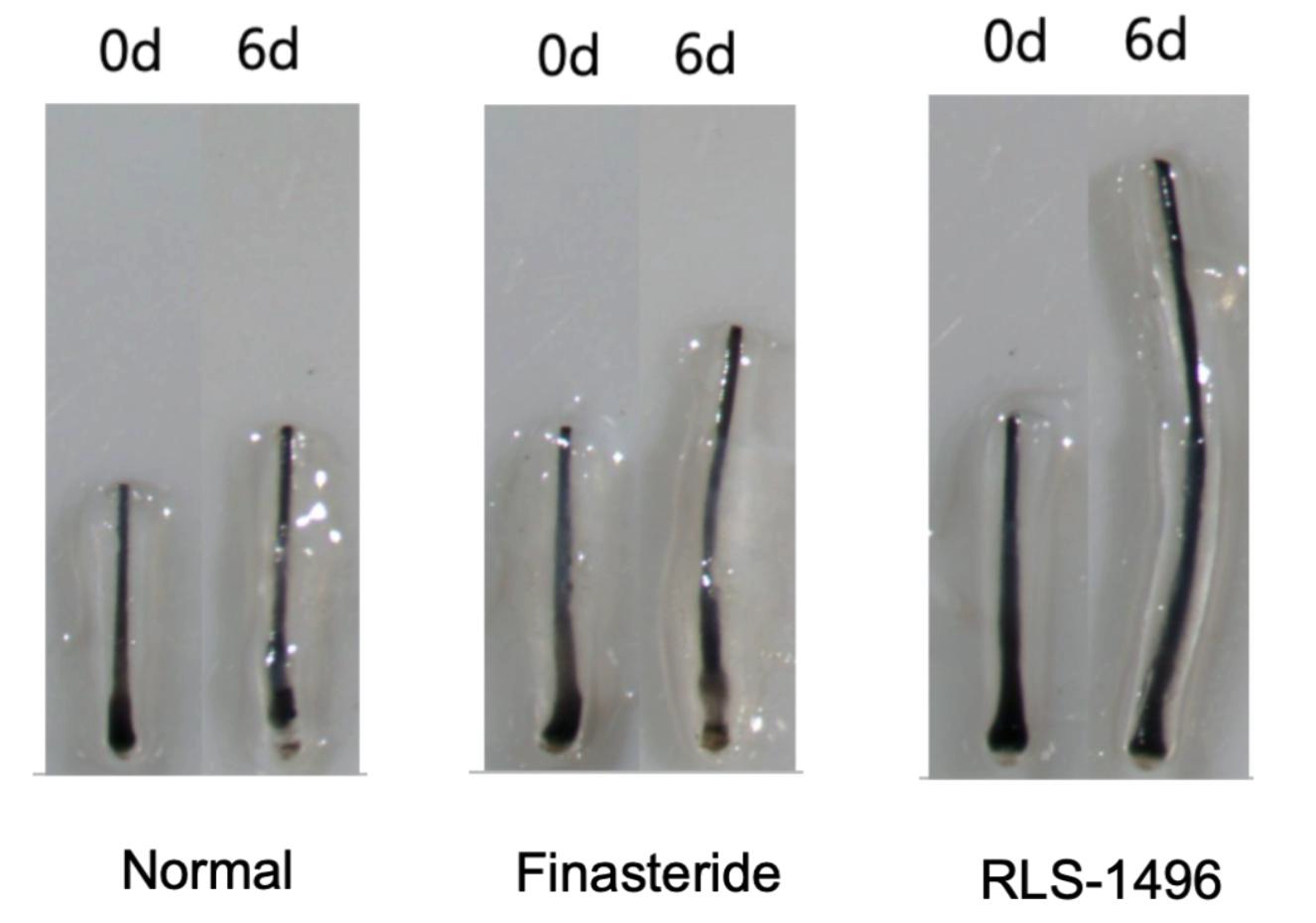
Source: Rubedo announcement on BioSpace, 16 September 2026
Repair Biotechnologies presents progress on plaque regression
Repair Biotechnologies presented an update on its cholesterol-degrading programme at LSX USA in September. CEO Reason described an mRNA therapy delivered through lipid nanoparticles to the liver, where it is designed to break down excess free cholesterol inside cells. The approach aims to improve cholesterol clearance and promote regression of established arterial plaque. In the presentation, the company reported approximately 20–30% plaque regression after six weeks of treatment in mouse models of severe atherosclerosis, alongside improved exercise performance. It also described a feasibility study in 18 non-human primates, reporting improved liver-related measures and no treatment-related adverse effects or anti-drug antibodies. That study did not test plaque regression.
Repair is pursuing homozygous familial hypercholesterolaemia, a severe inherited cholesterol disorder, as its first clinical indication. The company is seeking financing to advance the programme into human testing. These findings remain preclinical: the September presentation provides an update on development progress, while efficacy and safety in patients still need to be established.
Source: CEO presentation and transcript, BioXconomy, page dated 29 September 2026
Image source: Repair Biotechnologies executive team
HDAX was featured in University of Toronto Magazine, which profiled founders Nabanita Nawar and Pimyupa Manaswiyoungkul and the company's journey towards developing drugs targeting disease-associated proteins.
Gero founder Peter Fedichev announced that two papers, ProtoBind-Diff and HARVEST, had been accepted to the NeurIPS 2026 AI for Drug Discovery workshop. Importantly, the updated ProtoBind-Diff work moved beyond computational predictions to experimentally tested compounds, producing in vitro inhibitors of EGFR and TYK2 without requiring protein 3D structures.
To date we have funded more than 30 projects. We are always looking out for more ground-breaking longevity drug discovery science to support, so email us at discovery@vitadao.com if you have, or know any researchers with, a great translational idea in need of funding!
News and Media
We will now shift gears to highlight what has been happening in the wider longevity ecosystem.
Genflow’s gene therapy lowers biological age markers in aged dogs
A SIRT6 gene therapy lowered biological-age markers in aged beagles, while also showing improvements in several secondary measures of function. The small 24-dog trial provides an early test of whether a longevity-associated SIRT6 variant found in centenarians could eventually have therapeutic potential.
Longevity medicine under scrutiny after death of Greek pop star

The death of Greek pop star Giorgos Mazonakis during an experimental plasma treatment has intensified scrutiny of the country’s longevity clinics, with authorities investigating licensing and advertising practices. Greece is now introducing tighter oversight, including an AI system to monitor doctors’ online promotion of medical treatments.
Insilico Launches AI-driven Longevity Vaccines Research for Aging-related Diseases and Human Longevity

Insilico Medicine has launched a “Longevity Vaccines” programme using AI and circular RNA to temporarily engineer a patient’s own T cells to eliminate harmful populations such as senescent cells. The early-stage programme will initially focus on rejuvenating the aging immune system by clearing senescent lymphocytes.
Retro Biosciences tweaks its Alzheimer’s pill dosing
Retro Biosciences is increasing the dose and expanding the Phase 1 trial of its Alzheimer’s candidate RTR-242 after initial doses produced few safety signals. The drug aims to restore lysosomal function and autophagy, potentially improving the clearance of cellular waste that accumulates with age.
Osteoporosis affects millions: could modified cells rebuild their bones?

Could modified stem cells help rebuild bones damaged by osteoporosis? In a small trial of ten older women with severe disease, a single infusion of specially treated bone-marrow cells was followed by a dramatic reduction in fractures, offering an early hint that regenerative cell therapies could restore bone rather than simply slow its loss.
Aging rate indicators and the search for anti-aging drugs
Instead of asking how biologically old someone is, researchers propose measuring how fast they are aging right now. These “aging rate indicators” could dramatically shorten the time needed to test potential longevity drugs, although they still require extensive validation before they can be relied upon in humans.
How fast are you ageing? Ask AI

Artificial intelligence is being enlisted to tackle one of longevity research’s biggest problems: how to define and measure biological aging. New AI models trained specifically on aging biology aim to integrate data from aging clocks and other molecular measures, potentially helping researchers better evaluate interventions.
Small AI models take on aging’s big data
Bigger isn’t necessarily better for AI: small models trained specifically on aging biology matched or outperformed much larger general-purpose AI systems across a new benchmark spanning genetics, epigenetics, transcriptomics, proteomics and clinical data. The results suggest specialist AI could become an increasingly useful tool for navigating the enormous datasets generated by longevity research.
Hot in longevity: Pet longevity remains one of the most underestimated opportunities in biotech
Positive clinical results and licensing news from The Cat Health Company adds to the momentum started by Loyal. Last month, Genflow Biosciences (LON:GENF) (OTCQB:GENFF) announced that its SIRT6 gene therapy trial in 24 aged dogs met its primary endpoint of reduced epigenetic age. And Loyal raised $100 million in February, having completed two major requirements toward conditional FDA approval of LOY-002: safety and a reasonable expectation of effectiveness.
And a small but growing investor ecosystem is emerging around pet longevity. Specialist players include AniVC, Digitalis Ventures, VANE, and Leap Venture Studio & Academy, while broader investors such as longevity-focused age1 and human/animal-health investor Borealis Ventures have also backed companies in the space.
For founders and investors, the attraction is a potentially much shorter path to clinical evidence and commercial revenue. Dogs and cats age faster than we do, allowing earlier readouts on aging and survival. This can make it possible to test longevity interventions on timelines that are more practical for drug development. For eligible veterinary drugs, FDA conditional approval can also allow sales while studies to fully establish effectiveness continue, once safety and other requirements are met. Earlier revenues can help finance that further development.
There is also a psychological impact that deserves more attention. If rigorous trials demonstrate that medicines can give our pets more healthy years, longevity medicine becomes tangible to millions of people. Seeing it working in an animal they know and love could substantially strengthen public confidence in the feasibility of treating aging and support for developing human therapies.
If you’re building in this space, we’d like to talk to you - you can reach out to discovery@vitadao.com.
Tweets of the Month
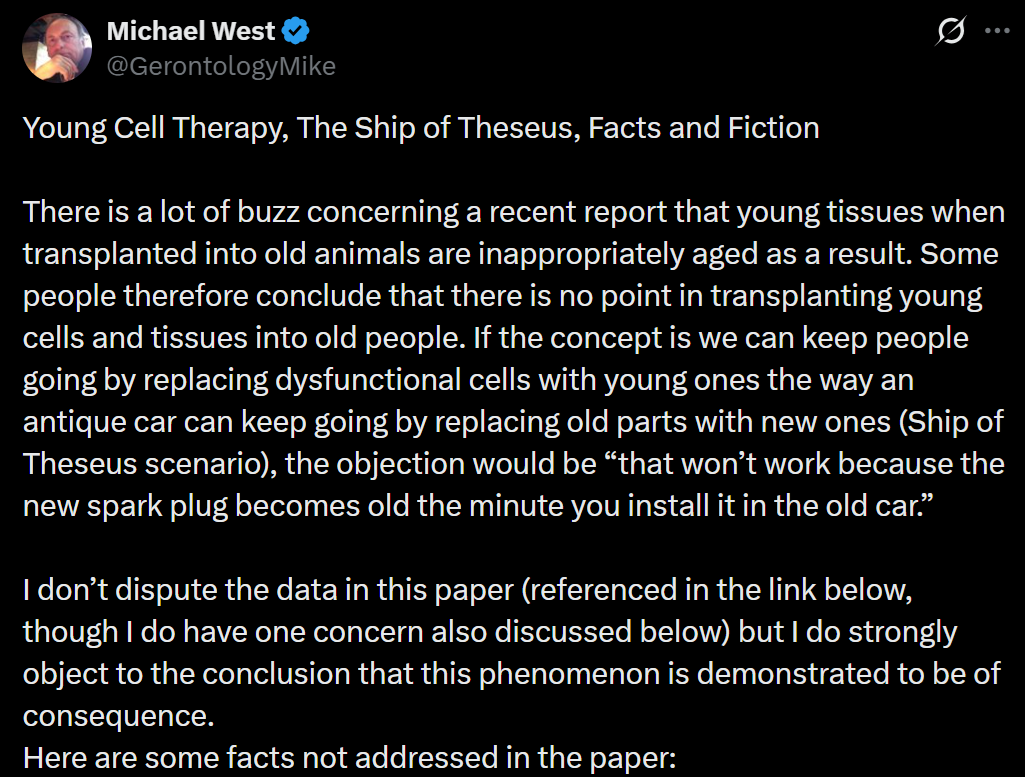
The above tweet refers to the discourse around a preprint published showing that Transplanted hearts assimilate the recipient’s biological age.
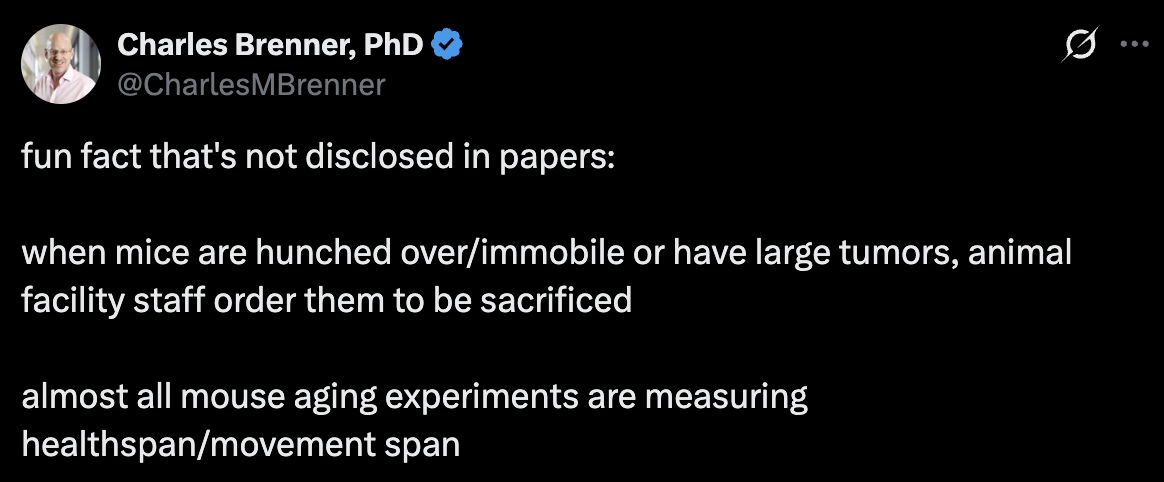
Preprint Corner - in collaboration with

The Longevist is a preprint overlay journal spotlighting the most promising longevity research. The journal is currently paused as we build an automated curation agent - the Longevist AI Agent (LAIA). To stay updated, sign up to our newsletter and follow us on X.
Transplanted hearts assimilate the recipient’s biological age
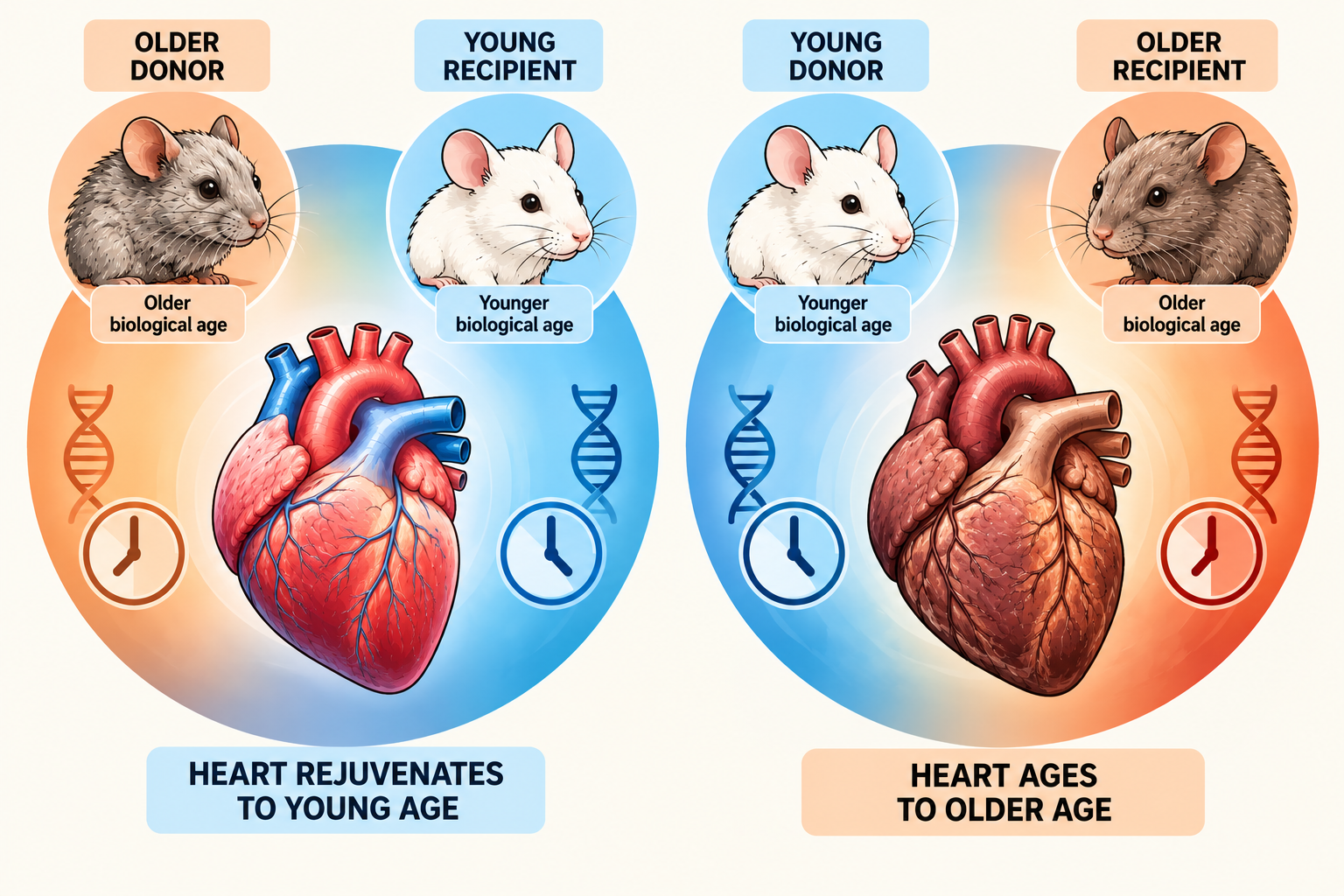
In both mice and humans, transplanted hearts rapidly shifted towards the biological age of their recipient rather than retaining the age of their donor. The findings suggest that the systemic environment can rejuvenate older organs in younger recipients, potentially opening the door to greater use of older donor organs. Tweet from Michael West
Heterogeneous epigenetic regulatory patterns link mammalian aging, development, and mortality
Researchers found that age-related DNA methylation does not always change steadily over time, with many sites instead following a U-shaped pattern that mirrors mortality risk. Using these patterns, they developed new epigenetic clocks that predict mortality across species and can detect a range of disease states.
Temporal control of mitochondrial mutagenesis reveals the fate of mtDNA mutations with age
Strikingly, mitochondrial DNA mutations acquired during just the first two months of life were enough to drive age-related disease later in mice. The study also suggests that manipulating mitochondrial fusion could help prevent the expansion of harmful mutations, raising the possibility of slowing aspects of age-related decline.
Long-term NMN treatment increases lifespan and healthspan in mice in a sex dependent manner
Long-term NMN supplementation reduced frailty in both male and female mice, but extended median lifespan by 8.5% only in females. The benefits differed markedly between the sexes, highlighting how biological sex may influence responses to NAD+-boosting interventions.
Published Literature Hot picks
Caloric restriction modulates genome-wide somatic mutation in mice
Caloric restriction appears to protect the genome as well as extend lifespan, reducing the accumulation of somatic mutations across multiple tissues in mice. The findings suggest that genomic instability is not simply an inevitable consequence of aging, but can be modified by diet.
Hypertension, but Not Cancer or Obesity, Is Compatible With Extreme Longevity: A Multi-Institution Analysis of 733,919 US Centenarians

Reaching 100 doesn’t necessarily mean avoiding all age-related disease: in a huge analysis of more than 730,000 US centenarians, hypertension remained remarkably common, while obesity, diabetes and particularly cancer were far less frequently recorded. The findings suggest that different diseases have very different relationships with extreme longevity, although the authors caution that historical diagnoses may be under-recorded in electronic health records.
Growth Hormone Receptor Antagonism Extends Lifespan
Blocking growth hormone signalling extended both lifespan and healthspan in mice, with animals living longer, showing less frailty and maintaining better grip strength. The results strengthen the case for growth hormone receptor antagonists—already used clinically for acromegaly—as a potential strategy for healthy aging.
Blocking PD-L2 prevents senescent cell accumulation and age-related dysfunction
Senescent cells may exploit the immune checkpoint PD-L2 to hide from immune surveillance, helping them accumulate with age. Blocking PD-L2 improved insulin sensitivity in old mice, while mice lacking PD-L2 accumulated fewer senescent cells and maintained better metabolic health and strength.
Longitudinal dynamics of gene expression and metabolomics in an aging population cohort
Following 335 UK female twins over time, researchers mapped how gene expression and proteins change with age, while showing that genetics, body composition and environmental exposures all shape these trajectories. Even seemingly mundane factors such as time of day and season of sample collection had measurable effects, highlighting the complexity of studying human aging.
Extreme longevity revealed by 24-year genetic mark–recapture challenges conservation of endangered sea cucumbers
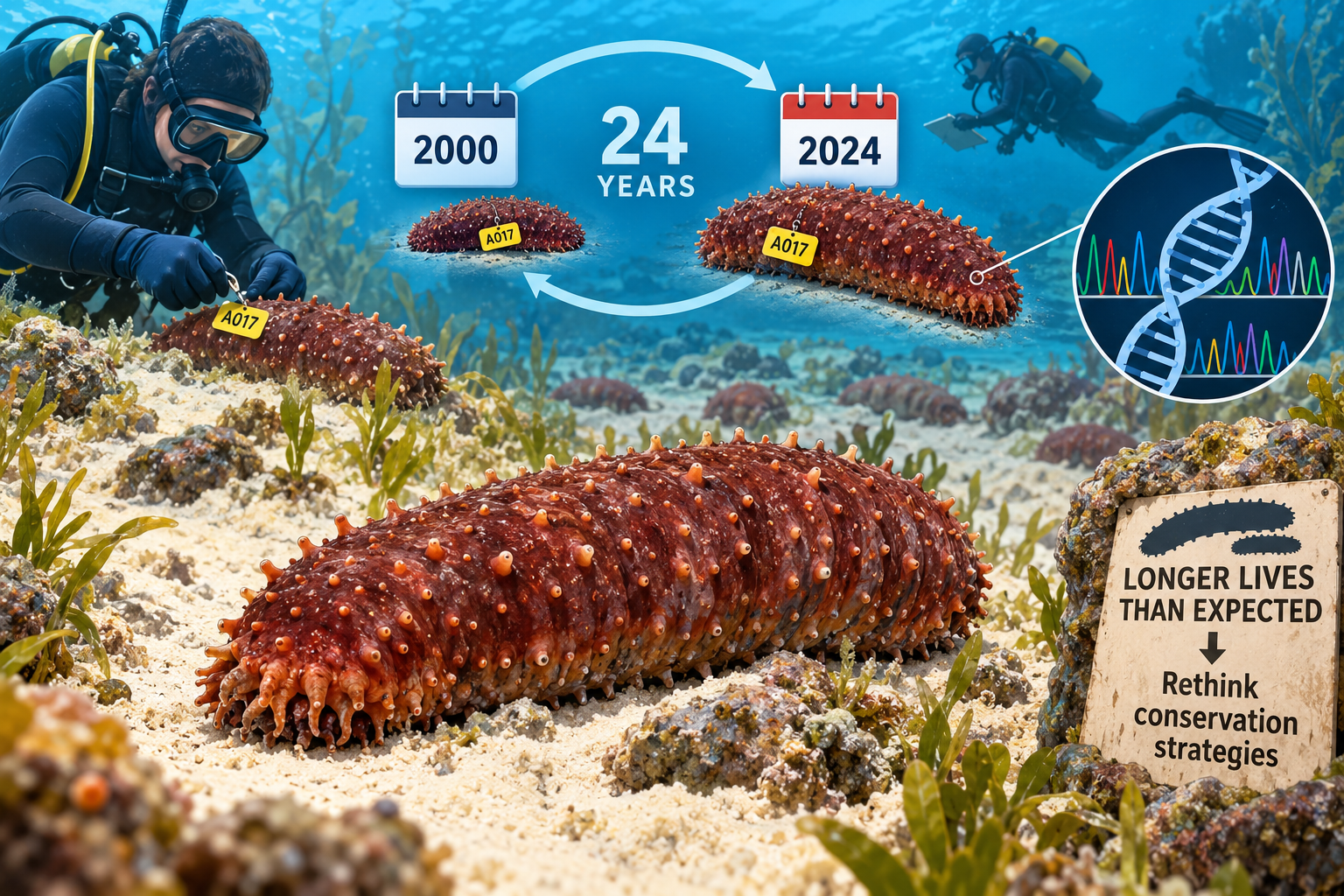
Some black teatfish sea cucumbers may live for more than a century, with 60% of individuals genetically identified in 2024 having already been present 24 years earlier. Their extraordinary longevity and minimal adult mortality suggest current fisheries models may substantially overestimate how many can be sustainably harvested.
Loss of killifish cGAS attenuates age-related signatures but does not affect organismal life span
Knocking out the innate immune sensor cGAS reduced cellular senescence and several molecular signs of aging in killifish — but did not extend their lifespan. The findings suggest that suppressing cGAS/STING-driven inflammation can improve aspects of aging without necessarily increasing longevity.
Published Literature Reviews, Comments, Perspectives and more
How to live for centuries: common denominators of organisms with exceptional longevity
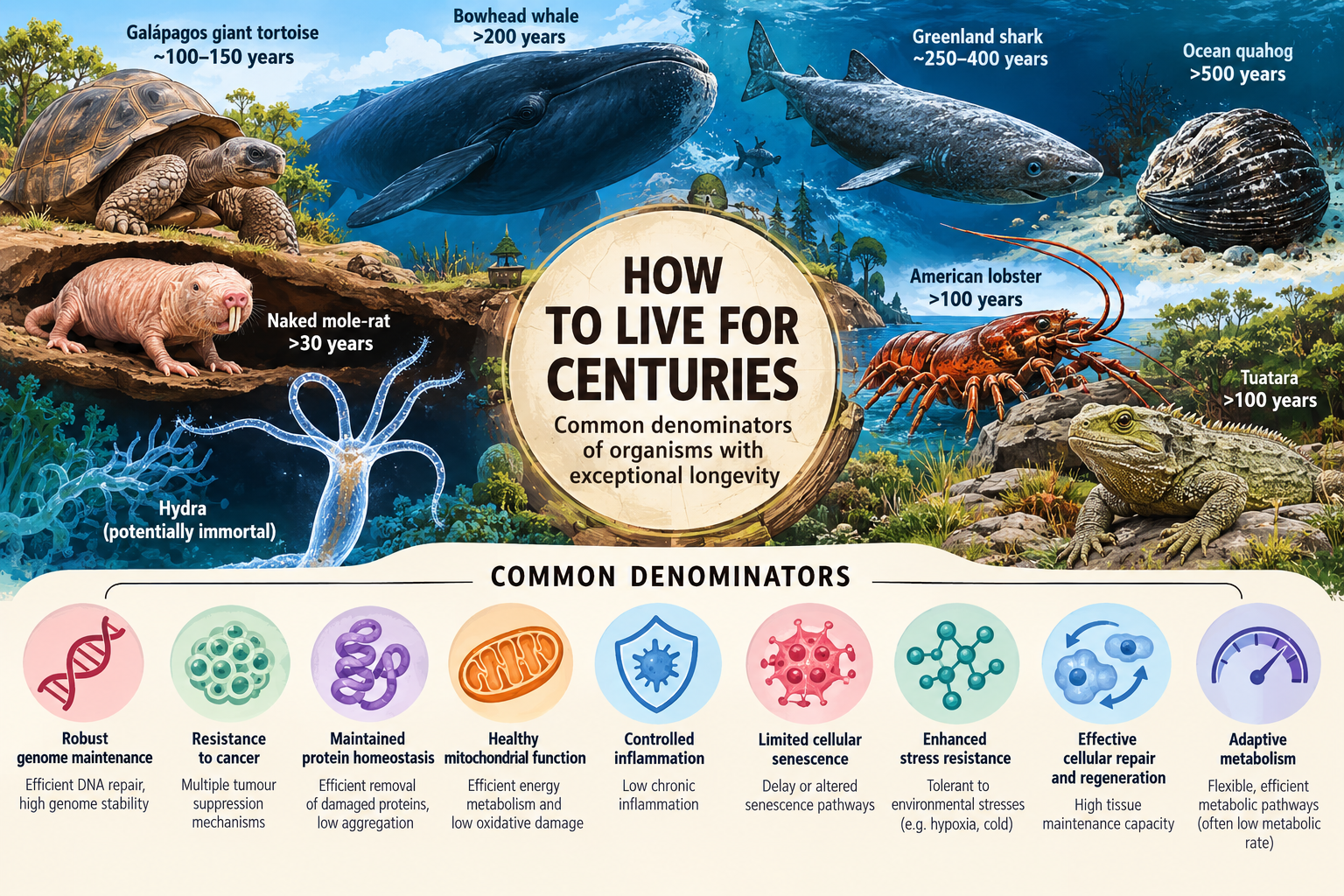
A survey of 101 exceptionally long-lived species capable of surviving for at least 250 years found recurring biological themes including better DNA maintenance, stem cell preservation and resistance to stress. Intriguingly, these are also characteristics of germ cells and early development, leading the authors to suggest that “living young” may be one route to living long.
Fasting and aging: Mechanistic insights into epigenomic and transcriptional regulation of healthspan
Beyond its metabolic effects, fasting triggers widespread changes in gene expression and epigenetic regulation through pathways including AMPK and sirtuins. These changes may promote autophagy, stem cell function and cellular maintenance while limiting inflammation and age-related epigenetic drift.
GLP-1 Drugs for Aging?
Could GLP-1 drugs become longevity drugs? New mouse research discussed by Science found that semaglutide given late in life improved numerous features of aging and extended lifespan, with some benefits exceeding those of calorie restriction — although whether these effects translate to healthy older humans remains unknown.
Strengthening muscle for healthy ageing: innovative treatments for sarcopenia
With no approved drugs currently available for sarcopenia, researchers are exploring a growing range of approaches to preserve muscle during aging, from boosting mitochondrial function and autophagy to inhibiting myostatin and reducing inflammation. A particularly active area is combining muscle-preserving treatments with GLP-1 weight-loss drugs to counteract loss of lean tissue.
Somatic mosaicism in the brain: linking development, ageing and neurodegeneration

Our brains gradually become genetic mosaics, as different neurons and other cells acquire their own somatic mutations throughout development and aging. A new review explores how this accumulating genomic diversity may reduce cellular resilience and contribute to neurodegenerative diseases, potentially linking mutations arising in individual cells to wider brain pathology.
The emerging role of aging in tumorigenesis
Aging may do more than simply provide extra time for cancer-causing mutations to accumulate: it actively creates an environment that can promote tumour development through changes within cells, the immune system and surrounding tissues. Researchers argue that targeting aging biology itself - including with senolytics, senomorphics and immune rejuvenation - could therefore offer new ways to treat cancer in older people.
The longevity dividend: Why governments and markets must catch up

Rather than viewing longer lives purely as an economic burden, the authors of a new perspective argue that extending healthy lifespan could deliver a major economic dividend by reducing chronic disease and keeping people healthier and productive for longer. They call for governments, healthcare systems and financial institutions to prepare for the possibility that therapies targeting fundamental aging processes could alter healthspan more rapidly than current demographic models assume.
Outro
We hope you enjoyed this month’s update on the latest happenings at VitaDAO and across the wider community. Stay tuned for more on what we’ve been working on in next month’s edition.
Further Reading
For the longevity aficionados, here is some additional material for you to enjoy:
- Longitudinal dynamics of gene expression and metabolomics in an aging population cohort
- Clonal Mosaicism of Mitochondrial DNA Heteroplasmy as a Molecular Clock of Aging
- All the ways a cell can die — and why the variety matters
- Quantitative proteomics reveals coordinated changes in the proteome during replicative senescence
- Senescent cell heterogeneity in brain aging and neurodegenerative disease
- Aging reshapes injury-induced senescence into distinct stromal senotypes during muscle regeneration
- A Deep-Learning Based Biomarker of Systemic Cellular Senescence Burden to Predict Mortality and Health Outcomes
- Macroscopic to ultrastructural analyses identify the loss of myofibrils as the primary mediator of ageing- and disuse-induced muscle fibre atrophy
- Biological aging clocks as biomarkers of human aging: Biological basis, methodological design, and epidemiological implications
- NAD+ augmentation in brain aging: hype, hope, or emerging reality?
- Extracellular Vesicles From Senescent Cancer Cells Are Necessary and Sufficient to Drive Paracrine Senescence
- Microfluidic Mechanical Reactivation of Senescent Stem Cells