

Welcome back Vitalians! We're excited to share our monthly update on everything happening across the VitaDAO ecosystem and the wider longevity community.
Experimental Longevity Drugs. In our last edition we launched a survey on experimental longevity drugs. It is still open, responding takes 3 minutes and it will help us and the community a lot: Take the survey.
What is it about? Montana and the Bahamas now let people try some longevity drugs before full approval. Done well, that's real-world data on how aging drugs work in people.
How does it work? Montana has a review pathway for treatments that have completed Phase 1 but aren't FDA-approved yet. Each protocol is reviewed by an independent board before a licensed center can offer it, see the infographic below:
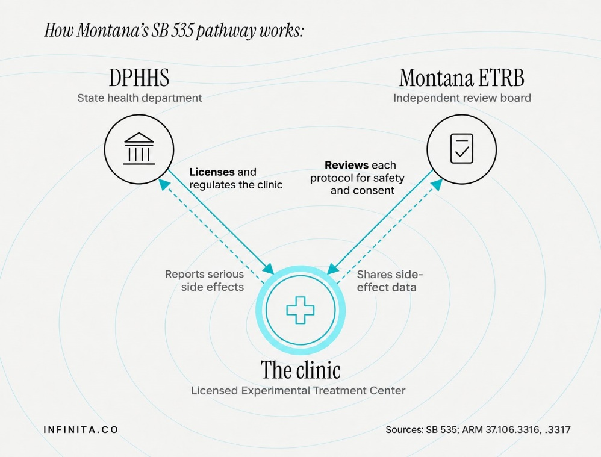
The first decision came in August: Parley Neurotech, approved with conditions. If you are a longevity biotech company with a treatment past Phase 1, infinita.co can help you with this pathway.
Longevity risk factors. Calling all (male) biohackers, how far are you willing to go in the pursuit of longevity? A new study, featured in our preprint section below, has found that castration extended lifespan in adult male mice. But remember, mice aren't little humans, so you might want to wait for human data before doing anything rash…
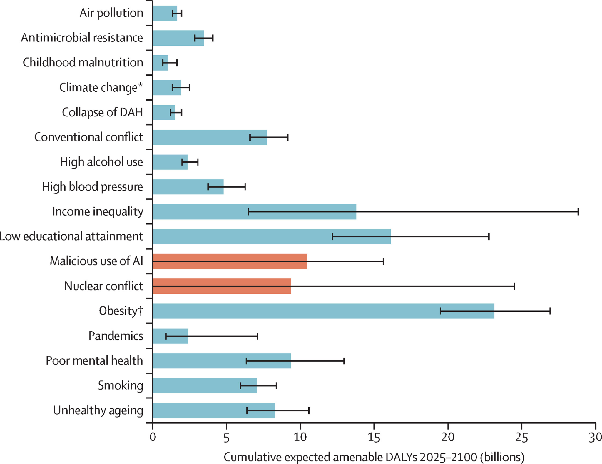
Sadly, testicles aren't the only health risk factor. A new Lancet Commission report examines global threats to health in the 21st century. Some, such as antimicrobial resistance, are largely beyond any one person's control. However, others leave more room for individual action, whether that's cutting back on alcohol, managing high blood pressure or quitting smoking. The report calls for stronger health systems, investment in breakthrough innovations and better monitoring to prevent avoidable losses of healthy life.
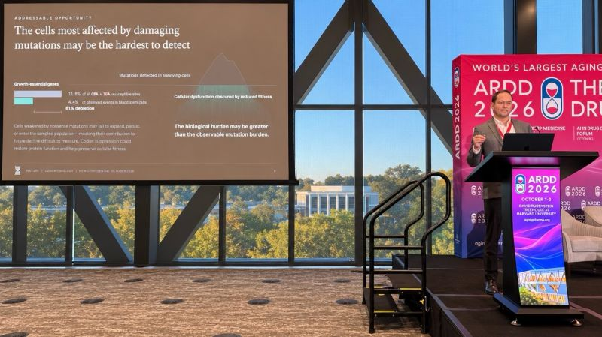
ARDD. Last month saw the premier longevity conference Aging Research, Drug Discovery and Development (ARDD) migrate from its usual home at the University of Copenhagen, Denmark, to Harvard University in the US.
ARDD 2026 highlighted just how far the longevity field has come, with ageing research increasingly moving beyond academia and towards real-world drug development. With growing interest from major pharmaceutical companies, much of the discussion has shifted from whether targeting ageing can lead to new medicines to the practical challenges of testing these therapies in people, demonstrating meaningful benefits and navigating the regulatory pathway.
One of the highlights from the meeting was that both Eli Lilly and Novo Nordisk presented data from trials showing that GLP-1 drugs appear to reduce biological age as measured by DNA methylation and proteomic ageing clocks.
You can find a recap of all ARDD sessions here.
VitaDAO Portfolio Highlights
Now let's check out what's been happening in VitaDAO's portfolio this month!
Our highlight of ARDD 2026 was seeing not one, not two, but three VitaDAO portfolio companies present their work:
- Artan Bio. Brian Bodemann, CEO of the VitaDAO spinout ARTAN Bio discussing its suppressor-tRNA approach to restoring proteins disrupted by age-associated nonsense mutations.
- Cyclarity CEO Matthew O'Connor presented “Removing Oxidized Cholesterol: Clinical Trials for a New Approach to Cardiometabolic and Age-Related Disease”.
- Rubedo Life Sciences co-founder/CSO Marco Quarta presented clinical and translational data on RLS-1496, covering skin ageing, alopecia and actinic keratosis. Days later, Rubedo reported two results for topical RLS-1496. In 22 patients with actinic keratosis, lesion counts fell by an average of 50% after four weeks. In a separate Phase 1b study in atopic dermatitis, a DNA-methylation clock measured an average 2-year decrease in skin epigenetic age from baseline across 11 paired samples.
Repair Biotechnologies presented at LSX US 2026. Repair CEO Reason outlined the company's mRNA-based approach to breaking down excess intracellular free cholesterol, reporting rapid arterial plaque regression in mouse models of severe atherosclerosis. The presentation provides an overview of the programme's preclinical progress and its path towards human testing. Watch the presentation here.
To date we have funded more than 30 projects. We are always looking out for more ground-breaking longevity drug discovery science to support, so email us at discovery@vitadao.com if you have, or know any researchers with, a great translational idea in need of funding!
News and Media
We will now shift gears to highlight what has been happening in the wider longevity ecosystem.
A gut microbe’s potential role in protecting the heart
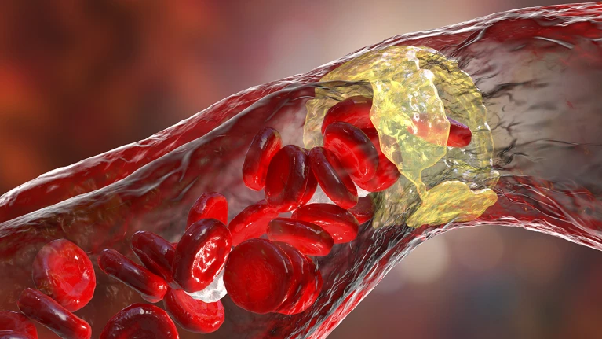
Scientists have identified a molecule produced by a common human gut bacterium that reduced cholesterol production and plaque build-up in arteries in mice. The findings suggest a possible new route to tackling cardiovascular disease, although benefits in humans remain to be established.
Can medicine target ageing itself?
CNN explores efforts to target the biology of ageing to prevent several age-related diseases at once. Researchers highlight the promise of emerging trials and biological-age measurements, while emphasising that changing an ageing biomarker has not yet been shown to translate reliably into more years of healthy life.
A brain enzyme linked to resilient memory
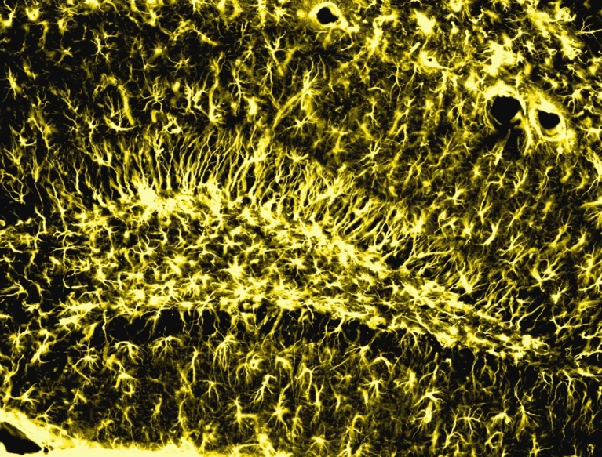
Research in mice, cells and human brain samples has linked a fat-breaking enzyme to the preservation of memory during ageing. The findings point to a potential target for protecting cognitive function, rather than an established treatment for memory loss.
Could rejuvenation unlock the ability to regrow body parts?
Why can some animals regenerate lost body parts while humans mainly repair injuries with scar tissue? David Sinclair explores this question and the possibility that rejuvenation could help unlock regenerative capabilities.
Rethinking the protein obsession

In this opinion piece, physician Emily Molina examines the enthusiasm for protein-rich diets and supplements, asking what might be overlooked in the pursuit of muscle gains and healthier ageing.
Clinical Updates
Rubedo’s skin treatment shows early promise

In a small trial involving 11 people with eczema, VitaDAO Portfolio company Rubedo Life Sciences' experimental cream reduced the estimated biological age of skin by around two years after four weeks. The treatment targets cellular senescence, although changes in an ageing clock do not yet demonstrate lasting skin rejuvenation.
First human results for an epigenetic rejuvenation therapy
Life Biosciences reported that its experimental gene therapy ER-100 was well tolerated in the first three glaucoma patients treated, with two showing improvements in vision. The therapy aims to restore healthier gene activity in eye cells, but these preliminary results are too small to establish effectiveness.
Personalised cancer vaccine reduces melanoma recurrence risk
Moderna's personalised mRNA cancer vaccine, given alongside an immunotherapy drug, reduced the risk of melanoma returning or patients dying by 42% in a Phase III trial. The results mark an important step towards a potential first approval for an mRNA cancer vaccine.
AI-designed cancer drug shows early clinical activity

Insilico Medicine reported tumour shrinkage meeting clinical response criteria in two of five evaluable mesothelioma patients receiving the highest tested dose of its AI-designed drug ISM6331. The Phase I findings offer an encouraging early signal in patients whose cancer had already undergone multiple treatments, although larger studies are needed.
Tweet of the Month

Podcasts
How Billionaires Die with Alexey Strygin - How Long Will Larry Ellison Live? I Ran the Numbers
The Sanz Science Experience: Are Early-Life Mitochondrial DNA Mutations Sufficient to Drive Aging?
Preprint Corner - in collaboration with

The Longevist is a preprint overlay journal spotlighting the most promising longevity research. The journal is currently paused as we build an automated curation agent - the Longevist AI Agent (LAIA). To stay updated, sign up to our newsletter and follow us on X.
Beneficial early, harmful later: age-dependent effects of testicular factors on male mortality

Male mice castrated at eight months lived around 33% longer on average as measured by median lifespan, gaining a greater survival benefit than mice castrated earlier. The findings suggest that substances produced by the testes may support survival early in life but become harmful later, offering clues to biological differences in male and female longevity.
Heterogeneous epigenetic regulatory patterns link mammalian aging, development, and mortality
Ageing does not follow a simple one-way molecular trajectory: researchers found that some chemical marks on DNA change direction across life, mirroring the decline and subsequent rise in mortality risk. These patterns helped them build biological clocks that estimate expected mortality across mammalian species and tissues, linking early development with later-life ageing.
Biological age measured by DNA methylation clocks and neurodegenerative diseases: A systematic review and meta-analysis
A review covering more than 46,000 participants found that commonly used DNA-based ageing clocks had limited and inconsistent links with neurodegenerative diseases. Only GrimAge consistently predicted higher dementia risk in the pooled follow-up studies, highlighting the need for better-validated tools before these clocks can be used to assess brain disease risk.
Aged white adipose tissue is rejuvenated in a young host through thermogenic remodeling of mature adipocytes
Transplanting fat tissue from old mice into young mice partially reversed its molecular signs of ageing, with changes traced to the original mature fat cells. This rejuvenation involved activation of heat-producing pathways and smaller, more youthful fat droplets, suggesting that the surrounding body can reshape how existing cells age.
Published Literature Hot picks
Epigenetic insights into extreme longevity in the world’s oldest terrestrial animal, Jonathan
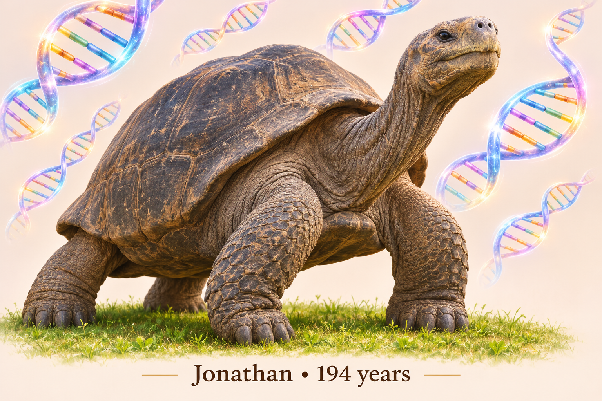
At around 194 years old, Jonathan the giant tortoise is providing researchers with an extraordinary window into longevity. Analysis of his DNA and its chemical marks revealed unusually orderly patterns around genes involved in energy production and RNA processing, suggesting that preserving reliable cellular maintenance may help support his exceptional lifespan.
Prevalent mesenchymal drift in aging and disease is reversed by partial reprogramming
Across more than 40 human tissues, researchers identified an age-related shift towards gene activity associated with connective tissue, which was also linked to disease severity and poorer survival. Partial reprogramming reversed this “mesenchymal drift” in experimental models, offering clues to how it restores more youthful cellular behaviour.
Epigenetic aging and transposon dysregulation reflect size-related lifespan compression in dogs
Why do larger dogs tend to have shorter lives? An analysis of 894 dogs found faster molecular ageing in larger breeds, with distinctive changes in DNA marks around “jumping genes”, mobile genetic elements that could help explain the connection between body size and lifespan.
Cold activates a BH2 metabolic network promoting longevity and proteostasis

Cooler temperatures prompted worm muscles to produce BH2, a molecule that helped protect proteins from harmful clumping and extended lifespan, even when its production was boosted at warmer temperatures. BH2 also reduced disease-associated protein clumps in cultured human cells, suggesting that some benefits of cold could potentially be reproduced without cooling the body.
Predicting and finding geroprotective compounds through modulating conserved longevity–associated aging modules
Not every molecular change during ageing is harmful, some appear to be protective adaptations. By identifying groups of genes linked to longer life, researchers predicted and confirmed 10 compounds that extended lifespan in worms, including seven not previously reported to do so.
Transcriptomic reprogramming screen identifies SRSF1 as a regulator of aging
Boosting a protein called SRSF1, which helps cells process genetic instructions, restored more youthful gene activity in aged human cells without erasing their identity. In a small study of aged mice, increasing SRSF1 also slowed frailty progression and was associated with a 14% increase in median lifespan.
Pet ownership is associated with greater cognitive and brain health in a cross-sectional sample across the adult lifespan

Our four-legged companions may be associated with more than emotional wellbeing: a study of 95 adults linked pet ownership, particularly dog ownership, to better performance on several cognitive tests and larger brain structures. However, this snapshot study cannot establish whether pets caused these differences or protect against future cognitive decline.
Metabolomic aging and mortality clocks based on ensemble learning identify systemic aging risk across the human life span in 18,476 individuals
Using blood samples from more than 18,000 people in China, scientists developed ageing clocks based on small molecules produced by the body's metabolism. People whose metabolic profiles appeared older than their chronological age faced higher risks of chronic diseases and death during follow-up, highlighting their potential for assessing future health risks.
Longer lipids mark aging and constrain lifespan
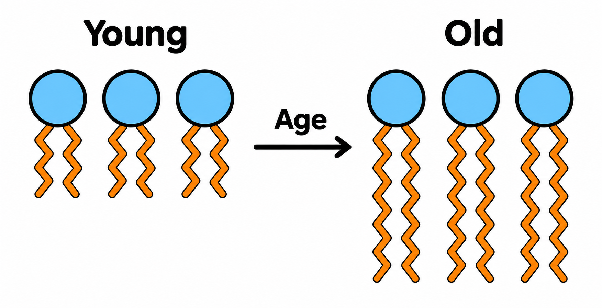
The length of our fat molecules may matter for ageing: a study spanning humans, mice, flies and worms found a shift towards longer lipid chains with age. Reducing the activity of a lipid-remodelling enzyme reversed this shift and extended lifespan in worms, suggesting a potential new target for longevity research.
Published Literature Reviews, Comments, Perspectives and more
Longevity is a political concern
Seamus O'Mahony turns to the politics of longevity in this Lancet perspective, drawing on his longstanding interest in death and dying to examine the pursuit of longer lives.
The Longevity Delusion: Money, Myths, and Bad Science

Has the longevity industry's commercial enthusiasm outpaced its scientific evidence? Reviewing Seamus O'Mahony's book, Richard Smith challenges inflated promises of longer life and argues that tackling social inequalities deserves greater attention alongside biomedical innovation.
Cellular senescence: six decades of discovery and reinvention
Once viewed simply as the point when cells stop dividing, cellular senescence is now recognised as a complex process involved in cancer protection, tissue repair and age-related disease. This review traces six decades of discoveries and explores how better detection tools and targeted treatments could shape the field's next chapter.
Goals and challenges for senescence research
Senescent cells come in many forms, making it difficult to establish exactly which cells become senescent and what they do in different tissues and diseases. Leading researchers discuss the questions and technical challenges that must be addressed to understand this diversity and its consequences for ageing.
Against the “extend healthspan but not lifespan” cliché

Should ageing research aim to extend healthy life without extending life itself? The authors challenge this familiar distinction, arguing that postponing death remains a worthwhile medical goal, even when additional years cannot all be spent in perfect health.
Cardiovascular resilience in centenarians

People who reach 100 often delay cardiovascular disease despite showing structural signs of ageing in their hearts and blood vessels. This review examines the metabolic, immune and gut-related features associated with that resilience, offering clues to how cardiovascular health might be preserved for longer.
The silent infection load: How lifelong asymptomatic infections may contribute to inflammaging as an evolutionary trade-off of longevity
Infections that cause no obvious symptoms may still leave a lasting mark on the immune system. This review proposes that lifelong exposure to persistent microbes can help maintain immune readiness while also fuelling chronic inflammation and cumulative damage, a potential evolutionary trade-off that contributes to ageing.
Written in development and lost in ageing: the grammar of cellular identity
Could ageing partly reflect cells losing the instructions that keep them specialised? This review proposes that the molecular rules established during development gradually become harder to maintain, suggesting that preserving cellular identity could help protect tissue function as we age.
X and Y chromosomes as determinants of aging and disease
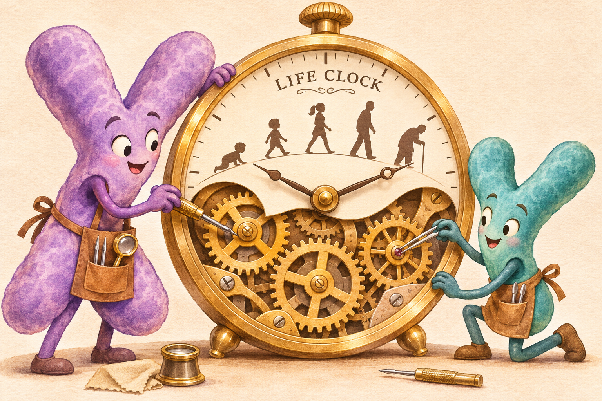
Beyond sex hormones, the X and Y chromosomes themselves help shape how we age by influencing immunity, metabolism and cellular responses to stress. This review explores how differences in chromosome activity, including the loss of the Y chromosome from some cells with age, may contribute to differences in disease risk and longevity.
Can Scientists Develop Pills That Slow Aging?
For our younger readers, and anyone seeking an accessible introduction: Richard Miller, Steven Austad and Matt Kaeberlein explain how scientists test drugs that could slow ageing. They describe promising results in mice and how biological indicators might speed up the search, while explaining why demonstrating benefits in humans remains challenging.
Outro
We hope you enjoyed this month's update on the latest happenings at VitaDAO and across the wider community. Stay tuned for more on what we've been working on in next month's edition.
Further Reading
For the longevity aficionados, here is some additional material for you to enjoy:
- The Human Ovary Exhibits Dynamic Molecular Remodeling in the Decades Post-Menopause
- A Novel TORC1 Inhibitor, RLX-201, Improves Skin Health, Biomechanics, and Extracellular Matrix Integrity in a Double-Blind Clinical Study
- Decline of chaperone-mediated autophagy in aging impairs macrophage clearance of senescent cells
- SERPINE1 (PAI-1) Regulation in Mechanotransduction-Associated Cellular Senescence
- Inhibiting Glutaminase Reverses Senescence-Associated Mitochondrial Dysfunction and Skeletal Muscle Decline
- A systems-level dissection of aging and longevity mechanisms powered by an evidence-routed AI knowledge graph
- Sarcopenia as a manifestation of systemic energetic failure with ageing
- mTOR signaling in aging: from causality to geroprotective interventions and hallmark-level outcomes
- Senescent Fibroblasts Impair B Cell Proliferation via Cell–Cell Contact
- Is Aging a Failure to Resolve? Integrating Damage Responses, Regenerative Decline, and Geroscience Interventions
- Alternative Isoforms as Molecular Modulators of Cellular Senescence in Cancer
- SIRT6 Activation Improves Intervertebral Disc Health in the Aging Spine
- Senolytics dasatinib and quercetin in metabolic dysfunction-associated steatohepatitis: a proof-of-principle randomized, controlled trial
- In Vivo Partial Cell Reprogramming With Yamanaka Factors Reduced Ischemic Brain Damage in Aging Mice
- Comparative Proteomic Quantification Reveals Novel Longevity Regulators
- Reframing menopause and menopause hormone therapy as opportunities for healthy aging
- The Lysosomal Clock: Are We Only as Old as Our Lysosomes?
[image20]: images/image20.png