
VITADAO RESEARCH

VITADAO RESEARCH

A global community on a mission to solve aging

VitaDAO unites talent, resources, and capital through a decentralized and transparent model that empowers individuals to drive innovation in aging research. We enable efficient capital allocation to early-stage biotech research projects and ensure that resulting intellectual property remains community-owned and equitably distributed.

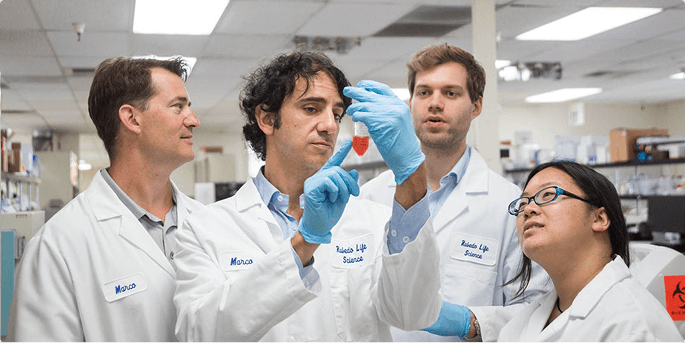
Research laboratory

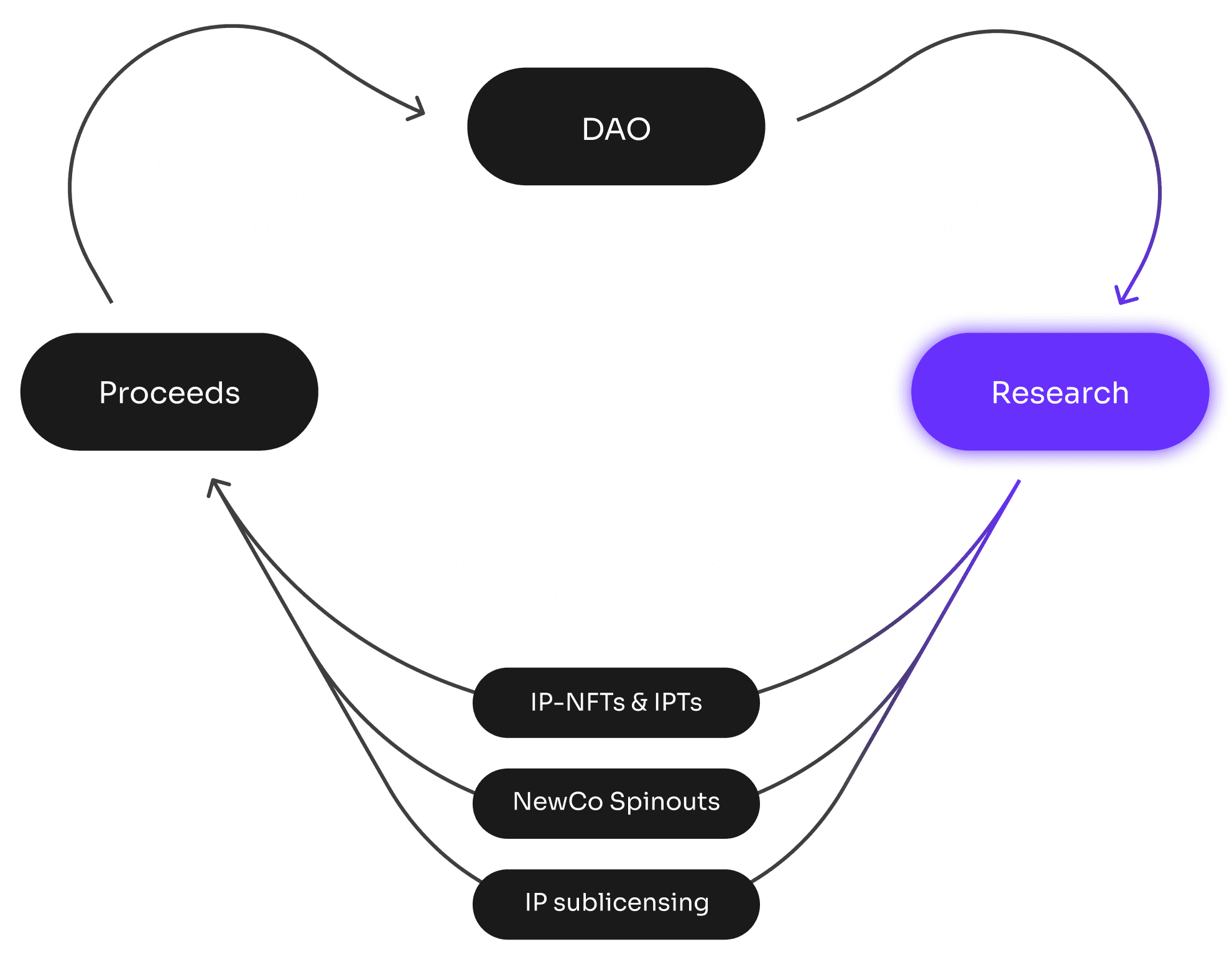
WE OFFER a new model for funding, advancing and commercializing novel therapeutics in an equitable, Permissionless and democratic way.

LEARN HOW WE FUND

RESEARCH USING IPTs

Funding cycle diagram

FUNDING IRL
SCIENCE ONCHAIN

29

Projects
Funded

$6M+

Funding
Deployed

$26M

Projects
FDV

15

Target
Discovery
Projects

11

Drug
Discovery
Projects

3

Preclinical
Drug Dev
Projects

0

Clinical
Drug Dev
Projects

9

IPTs
Generated

3

Companies
Founded

SCIENTIFIC ADVISORY BOARD

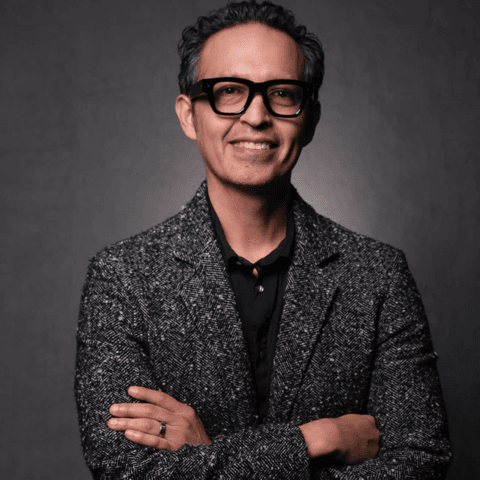
Aubrey de Grey

Aubrey de Grey

Biomedical Gerontologist
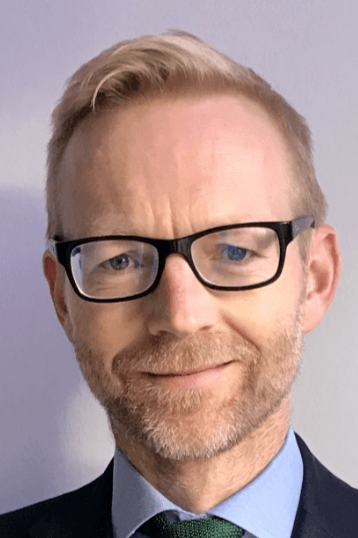
Dr. Aubrey de Grey is a biomedical gerontologist based in Silicon Valley, California, USA, and is the founder, President and Chief Science Officer of LEV Foundation, a biomedical research and advocacy charity focused on repairing the molecular and cellular damage of aging. He received his BA in computer science and Ph.D. in biology from the University of Cambridge. His research interests encompass the characterization of all the types of damage that constitute mammalian aging and the design of interventions to repair and/or obviate that damage. Dr. de Grey is a Fellow of both the Gerontological Society of America and the American Aging Association, and sits on the editorial and scientific advisory boards of numerous journals and organizations. He is a highly sought-after speaker who gives frequent invited talks at scientific conferences, universities, companies in areas ranging from pharma to life insurance, and to the public.
Jack Scannell

Jack Scannell

CEO of Etheros Pharmaceuticals Corp
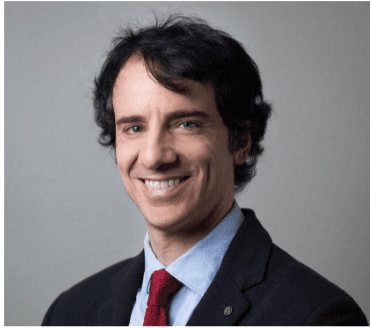
Dr Jack Scannell is best known for his work to diagnose the causes of the progressive decline in R&D productivity in the drug and biotechnology industry. He coined the term “Eroom’s Law” (from computer science’s “Moore’s Law” spelled backwards) to describe the contrast between falling biopharma R&D output efficiency since 1950 in the face of spectacular gains in basic science and in the brute force efficiency of the scientific activities on which drug discovery is generally believed to depend. His work has considered the contributions of scientific, economic, regulatory, and organizational factors. Recently, he has focused on the predictive validity of screening and disease models in drug R&D, which constitute perhaps the major productivity bottleneck. Dr Scannell is now the CEO of Etheros Pharmaceuticals Corp. Etheros is developing small molecule enzyme mimetics, based on fullerene chemistry, for age-related and neurodegenerative diseases. He is an Associate of the Department of Science, Technology, and Innovation Studies at Edinburgh University. He led Discovery Biology at e-Therapeutics PLC, an Oxford-based tech-bio firm. He has experience in drug and biotech investment at UBS and at Sanford Bernstein where he ran the European Healthcare teams. He has a Ph.D. in physiology from Oxford University and a degree in medical sciences from Cambridge University.
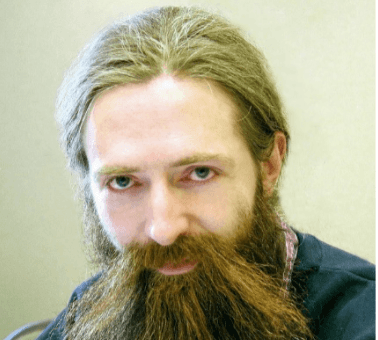
Marco Quarta

Marco Quarta

Scientist, Entrepreneur, & Biotech Executive
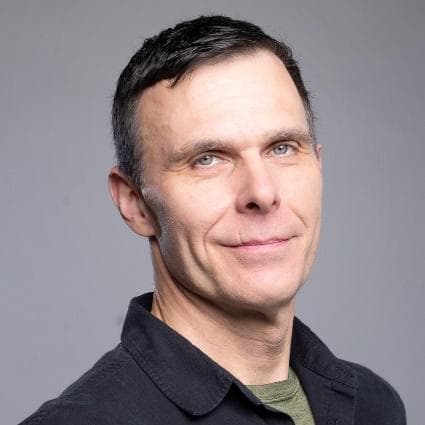
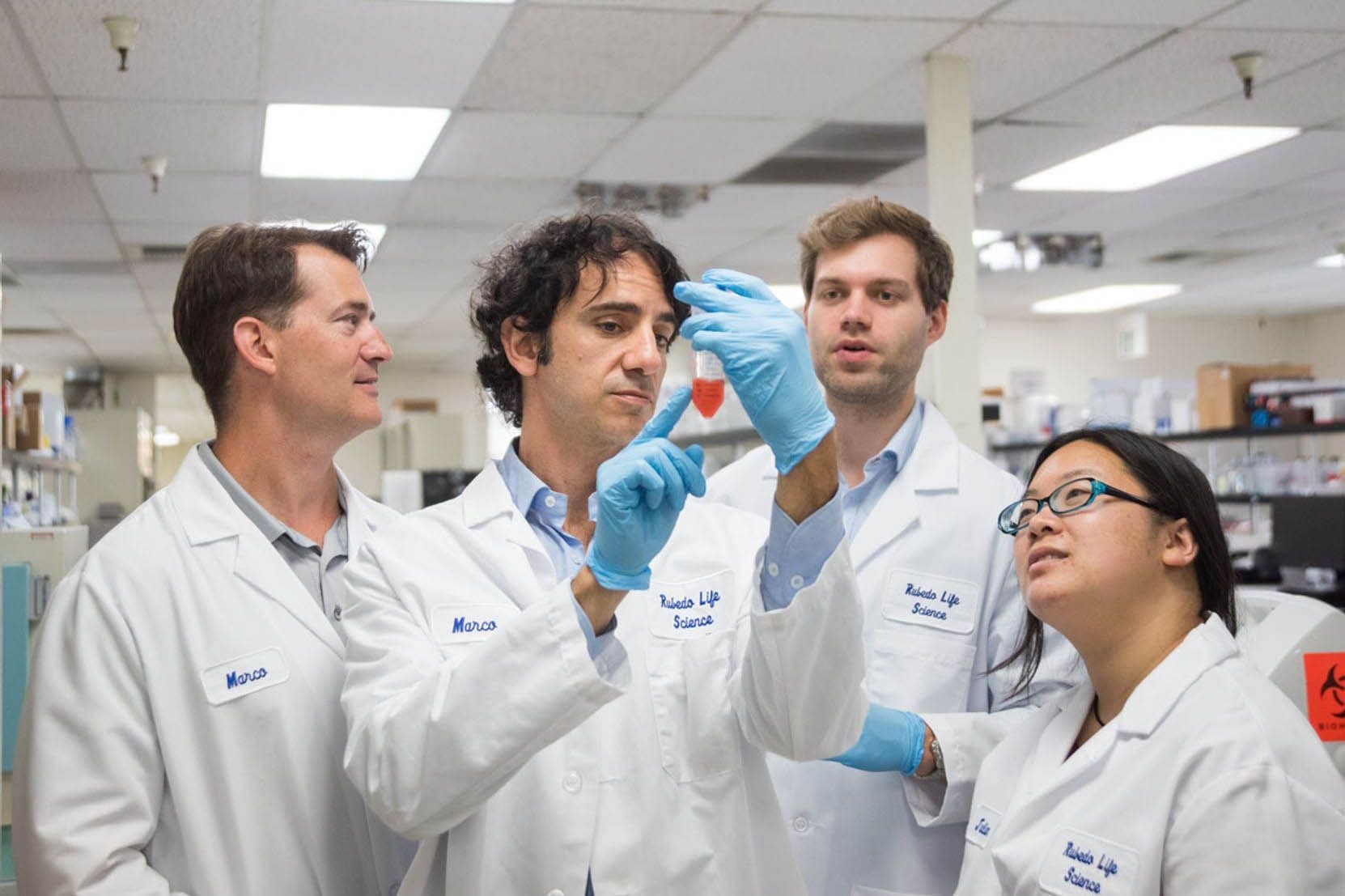
Marco Quarta is a scientist, entrepreneur, and biotechnology executive dedicated to advancing the science of aging and regenerative medicine. He is the founding Chief Executive Officer and current Chief Scientific Officer of Rubedo Life Sciences, a company pioneering new classes of therapeutics designed to selectively target senescent cells and other key mechanisms of age-related disease. From 2008 to 2018, Dr. Quarta was a leading scientist at Stanford University, where he directed research and development at the Center for Tissue Regeneration, Repair, and Restoration of the VA Hospital in Palo Alto, in collaboration with the Stanford School of Medicine. At Stanford, he built and led a translational program in regenerative medicine, bridging discoveries in stem cell biology and tissue repair with clinical applications in aging and chronic disease. He has authored more than 40 peer-reviewed publications and patents spanning aging biology, stem cells, regenerative medicine, and cellular rejuvenation. Dr. Quarta has also played a key role in biotechnology entrepreneurship, co-founding Turn Biotechnologies (CSO) , Wetware Concepts (CEO) , and YEBN (Executive Chairman), and serving on the Executive Board of the European Federation of Biotechnology. Dr. Quarta is a member of the Paul F. Glenn Center for the Biology of Aging Studies at Stanford University, serves on the Advisory Board of the California Institute for Regenerative Medicine (CIRM) Cal Poly Bridge Program, and on the Advisory Board of the Center for Healthcare Innovation. He is also the President and co-founder of the Phaedon Institute, a non-profit scientific organization dedicated to advancing Longevity Medicine, fostering dialogue with KOLs between academia, industry, and healthcare systems on the future of aging therapeutics.
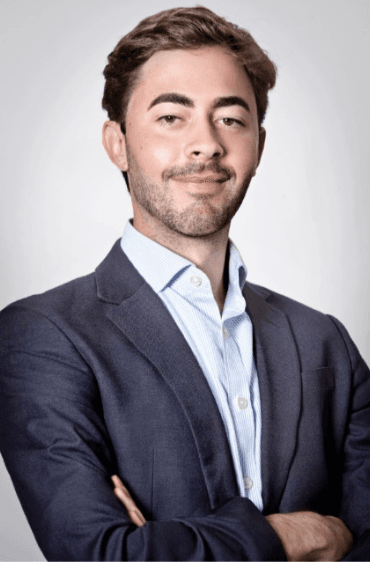
Sebastian Brunemeier

Sebastian Brunemeier

Biotech VC & Company Builder

Sebastian A. Brunemeier is a biotech VC and company builder focused on longevity & regenerative medicine. He is Co-Founder and Partner at Long Game Ventures. He was previously Co-Founder and General Partner of Healthspan Capital, and Principal at Apollo Health Ventures, the largest longevity fund in the world, CIO and Co-Founder at Cambrian Biopharma, and Founder of Samsara Therapeutics. He was a DPhil (PhD) Clarendon Scholar in Biochemistry at the University of Oxford before taking leave of Oxford to co-found Cambrian, a Fulbright Fellow, a Skaggs-Oxford Scholar at the Scripps Research Institute, and holds a dual MSc in Molecular Neuroscience and Biotech Business Management from University of Amsterdam. He is an advisor to the Longevity Biotech Fellowship.
AUBRAI

AUBRAI

On-chain AI Agent

AUBRAI is an on-chain AI agent accelerating longevity research. Built with Dr. Aubrey de Grey's expertise, it synthesizes papers, critiques study designs, and shares live updates about RMR2. At the heart of AUBRAI's mission lies the Robust Mouse Rejuvenation (RMR2) project - an ambitious study to double the remaining lifespan of middle-aged mice. If successful, it could be aging's 'AlphaFold moment': a proof that multi-target rejuvenation works and is worth scaling.
Loading projects...
Scientific background

working on the next longevity science breakthrough?

LEARN MORE & APPLY

HOW VITADAO FUNDS RESEARCH WITH IPTS

An IPT (short for Intellectual Property Token) is a digital token that represents ownership, licensing rights, or financial interest in a specific piece of intellectual property—typically a patent, research asset, or therapeutic development—in a blockchain-based ecosystem.


In the context of VitaDAO, an IPT is used to:


  • Tokenize early-stage biotech research so it can be transparently funded, governed, and commercialized by a decentralized community.
  • Represent rights to IP, such as licensing revenue, equity in spin-outs, or downstream royalties.
  • Enable fractional ownership, allowing multiple stakeholders—scientists, funders, and contributors—to participate in and benefit from the development of longevity-focused therapeutics.
  • Align incentives by giving token holders governance power and economic interest in the success of the project.

IPT funding diagram showing relationship between Research Project, VitaDAO, and IPT Holders

VitaLabs incubates high-risk, high-reward longevity science by fully funding and de-risking bold early-stage research in-house—laying a strong scientific foundation before minting an IP token (IPT) to represent the resulting intellectual property.


For externally developed projects, VitaDAO takes a complementary approach: validated, late-stage innovations launch directly as IPTs, enabling the community to collectively fund their final push toward clinical translation and commercialization. This dual-track model ensures that both breakthrough discoveries and mature biotech assets receive the tailored support they need to reach the public.